🎲 Why Crafting Adventures Is More Tedious Than Players Realize

🧠 Part I: The DM’s Burden

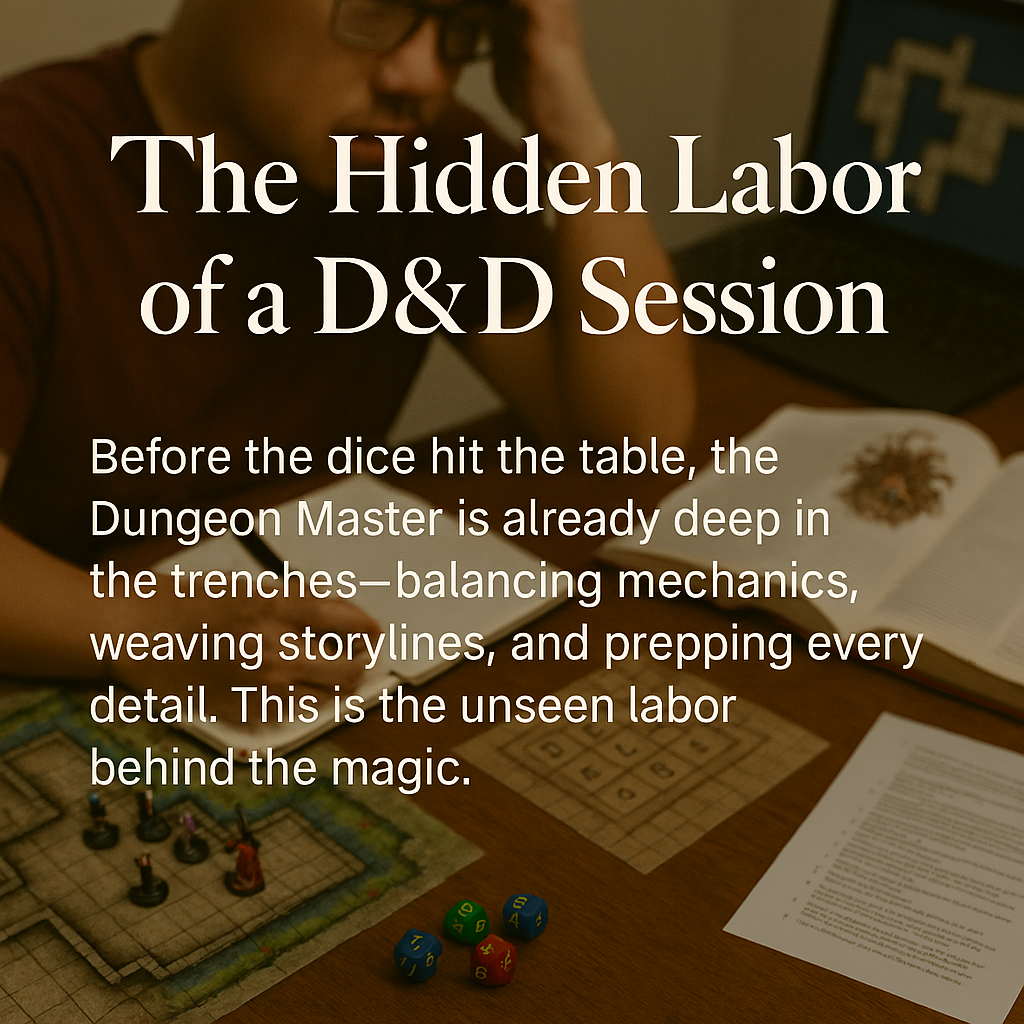
Before the dice hit the table, the Dungeon Master is already deep in the trenches. Long before players arrive with their character sheets and snacks, the DM has spent hours—sometimes days—preparing an experience that feels seamless, immersive, and fun. It’s easy to forget that what looks like spontaneous storytelling is actually the result of meticulous planning, balancing mechanics, and weaving narrative threads into something meaningful.

Yes, AI tools have made some parts of this process easier. They can suggest monsters, generate maps, or spit out riddles. But they can’t understand your party’s dynamics, their emotional arcs, or the subtle callbacks that make a campaign feel personal. The DM still has to do the heavy lifting—curating, adapting, and refining every element to fit the group’s unique story. That’s not just prep. That’s creative labor.

🧩 Part II: What DMs Actually Do

Running a session isn’t just about throwing monsters at players and watching the dice roll. It’s about crafting an adventure that’s challenging but fair, exciting but coherent. The DM must ensure that every encounter is appropriate for the party’s level and abilities. They have to anticipate how spells, feats, and personalities will interact—and adjust accordingly. AI can offer templates, but only the DM knows what will actually work at their table.

Then there’s the story. Even the most beautifully generated dungeon is useless if it doesn’t fit the campaign’s arc. The DM has to stitch new content into existing plotlines, maintain continuity, and make sure character motivations still make sense. It’s not just about worldbuilding—it’s about emotional investment.

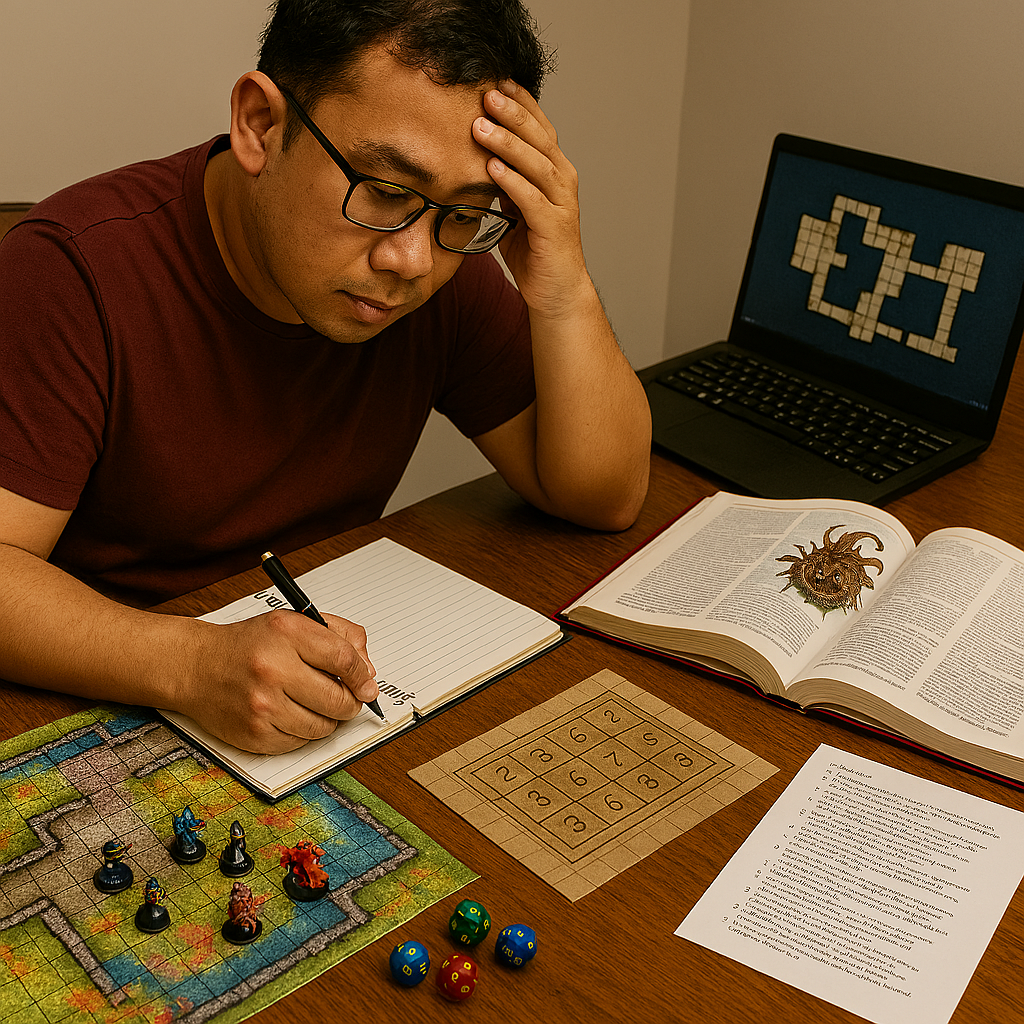
And let’s not forget the visual prep. Whether it’s printing maps, painting minis, or setting up digital assets, these tasks take time. They’re often done late at night, after work, in between life’s other responsibilities. Even puzzles and riddles—those delightful moments of player ingenuity—require careful crafting to match the party’s style and avoid derailing the session.

🎭 Part III: Respecting the Effort

Players show up to play. DMs show up having already worked. That’s the truth. And while most players are grateful, it’s easy to underestimate just how much effort goes into making a session run smoothly. A player’s prep might take minutes. A DM’s prep takes hours. That gap deserves recognition.

Players can support their DMs in ways that are simple, meaningful, and already widely practiced across real gaming tables. Many groups chip in a small amount each session—sometimes just the cost of a coffee or a meal—to acknowledge the DM’s prep time and the materials they purchase. Others rotate responsibilities, with players taking turns bringing snacks, hosting at their homes, or helping set up terrain and maps before the game starts. Some players gift their DM something thoughtful, like a new set of dice, a miniature of the DM’s favourite monster, or a book from their wishlist—gestures that countless DMs online say made them feel genuinely appreciated. In some long-running campaigns, players have even pooled funds to buy their DM a premium VTT subscription or a hardcover rulebook as a thank-you for months of effort. These aren’t grand gestures; they’re acts of recognition that say, “We see the work you put in, and we value it.”

Keep the hobby alive, lift each other up, and may everyone have good rolls ahead. 🎲✨


#WhyNotWednesday
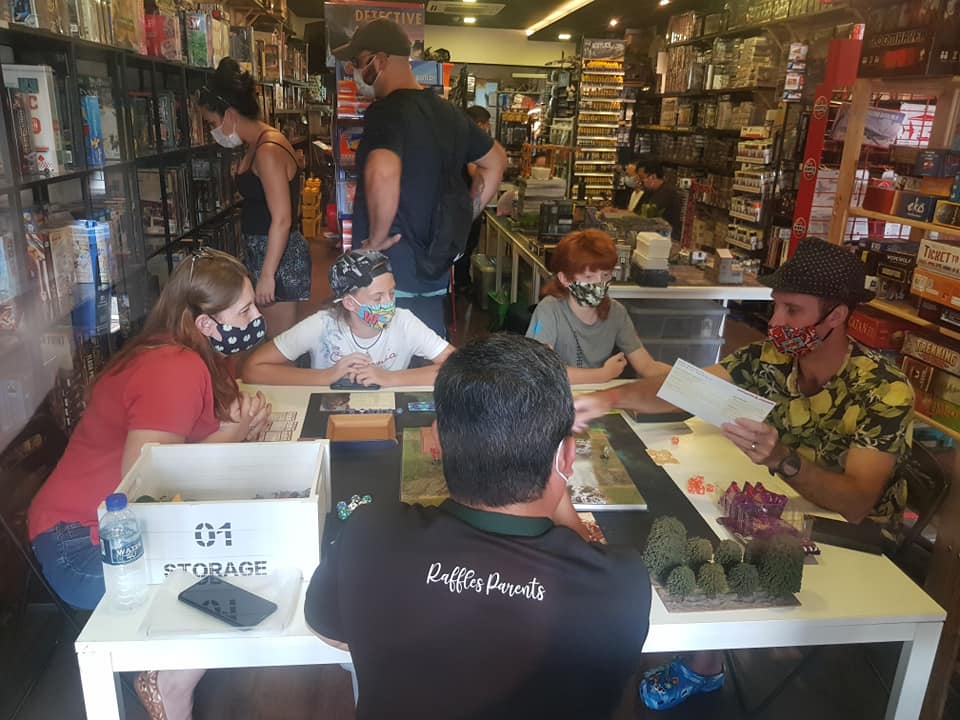
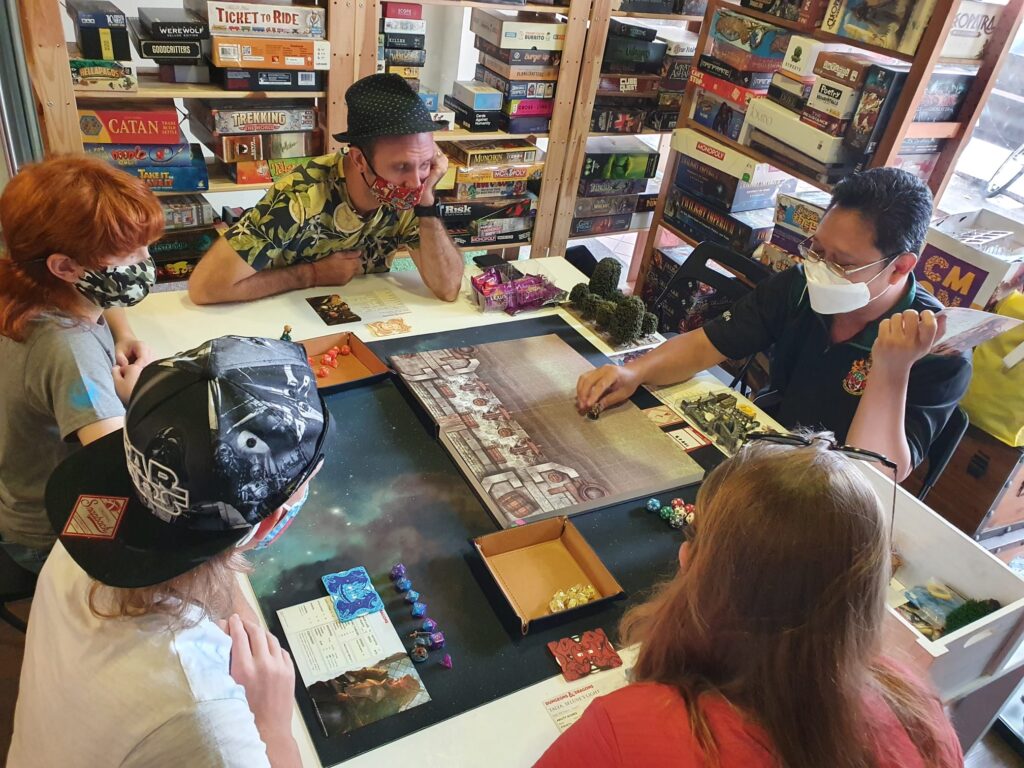
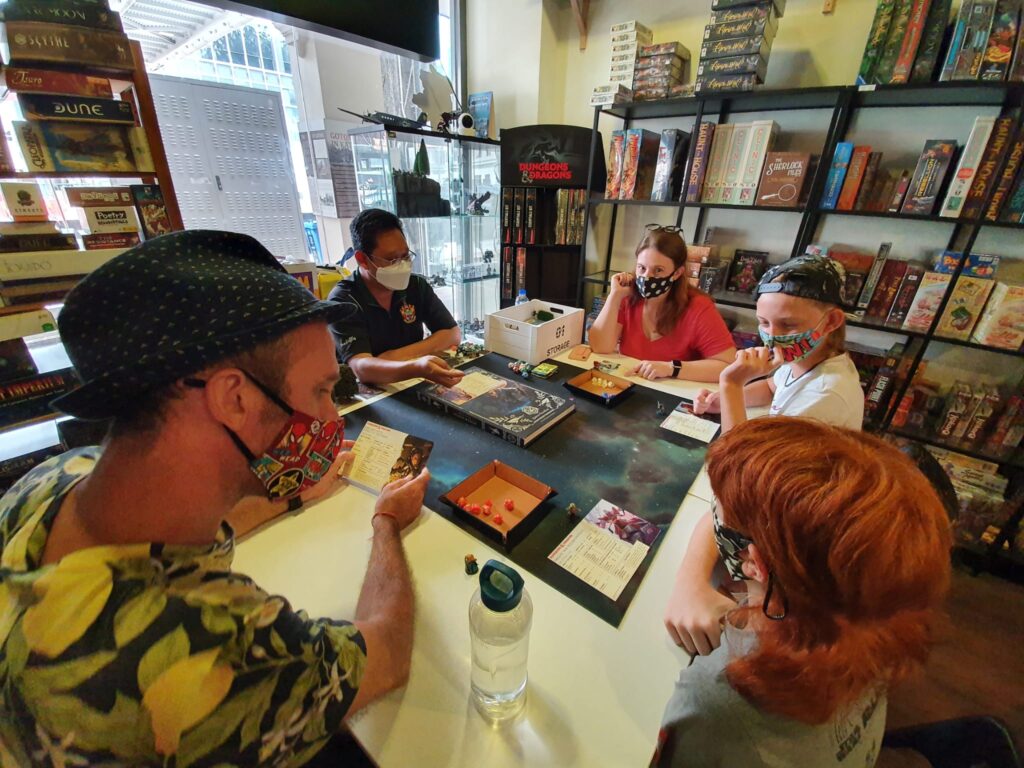
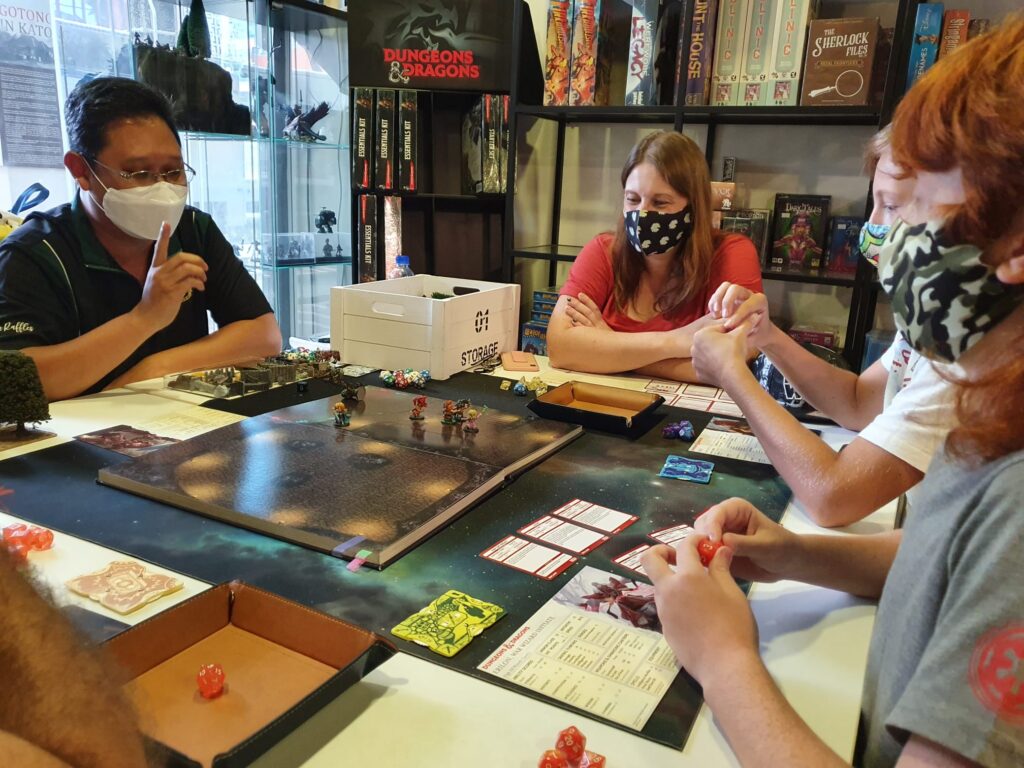
A keen young DM has appeared… together with his eager as beavers family members forming his party!

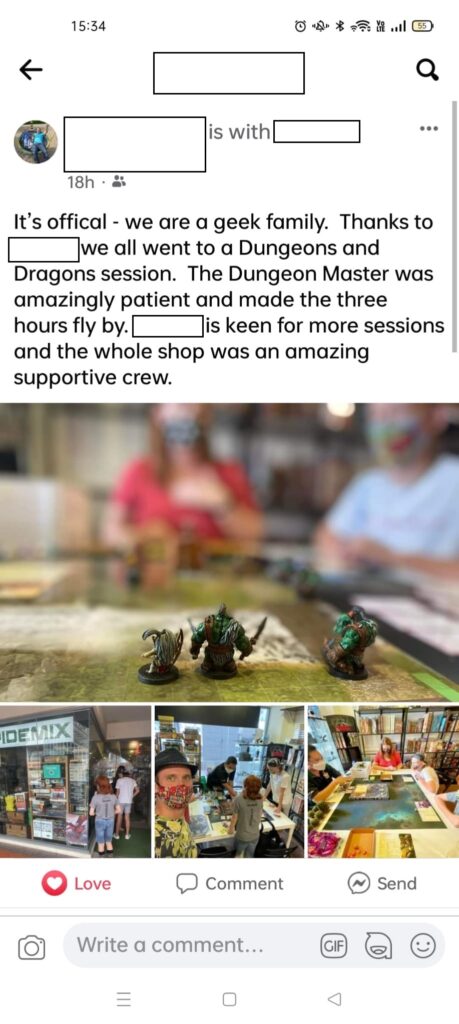
It absolutely stoked me when I was called to DM for a family of four at a Learn-to-Play D&D event last Saturday. I was told that a mum had signed up on behalf of her son who was keen to learn how to play the game. Apparently, they have bought the Starter Set but he was having trouble picking it up. So, I told Criticals & Fumbles to gave them the nod to register as a family and they happily obliged.

I give maximum kudos to an 11 year-old for stepping up and trying to learn this game so that he can run it for his family. Alas, some things are best learnt from those who can, for a start. I mean, you can’s just buy a car and learn how to drive by reading the manual or watch a YouTube video, can you?

Over the span of 3 hours on a Saturday afternoon… we went over the basic rules, the difference between race versus class, the relative importance of role-playing albeit with some attempt at voice-acting, how to identify which dice to be used and what to look for in their character sheets when asked to do a Skill check or a Saving throw. The young lad himself was so focused and knew exactly the parts where he needed to seek clarification. The ‘I-now-get-it’ expressions on his face every now and then are what DMs like me live for.

On the day itself, the Dad admitted that he didn’t know what he was signing up for but was more than glad to learn and be surprised. Needless to say, by the end of the session, he expressed how it was mind-boggling to see the skills needed to run a game and the extra care given to ensure every new player has enough support in terms of equipment like; dice sets, beginner character cards, spells cards, hit point counters, gorgeous maps and intricately painted miniatures.

My inspiration of writing this blog was actually – the young DM wanna-be. His enthusiasm was infectious that it got the rest of the family curious and from this session alone, he managed to get wonderful support from his parents that they actually agreed to buy the pretty massive Immersive Battlemaps book! Step one step closer to being an awesome DM 🙂

Every Learn-to-Play session that I do for families and kids, is to really share how a few hours can turn into a wonderful, highly interactive moment of storytelling where we build memorable moments together – regardless of the dice outcomes that either force you to succeed/fail your intended actions – because it’s all part of what makes the game what it is… sort of a ‘controlled chaos’ where everybody leaves with a sense of satisfaction, achievement and especially having fun.

Well, for the games I run for families and and children at least. For adults, there are DMs who thrive and excel in other varieties of storylines or endings that are morally grey. We do what’s appropriate for the group and/or when the group is ready.

Know your POLYHEDRONS

A guide to the standard set of 7 RPG Dice.

Most of the dice are given names like d6 or d20. The ‘d’ is for dice and the ‘number’ refers to the number of faces / sides the dice has.

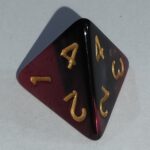
This four-sided often referred to as the d4. You typically read the number that is the right side up and oriented the right way.

This is a d4 – a tetrahedron

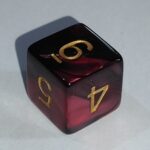
We all know this one… the six-sided cube – the d6.

cube

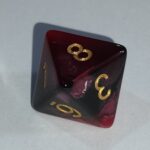
The eight-sided one is often referred to as – the d8.

octahedron

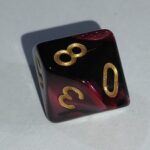
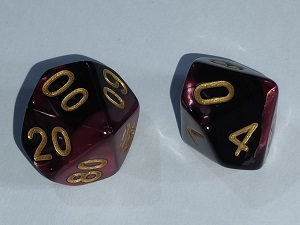
This d 10, is the ten-sided dice is the one with only single digits on each face.

deltohedron

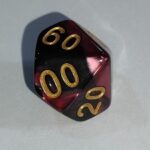
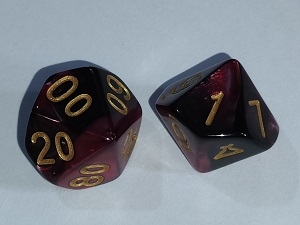
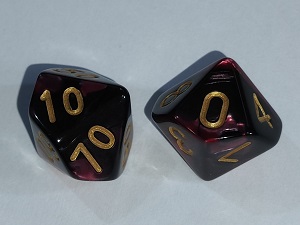
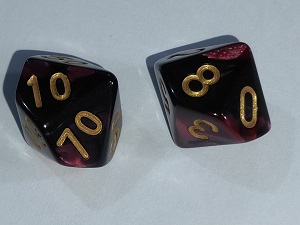
There is another ten-sided dice but it’s the one with the double digits (00-90). We call this the PERCENTILE dice.

deltohedron

This dice is usually thrown together with the d10 to produce a ‘percentage’ result. The digits on the percentile dice represents values in the tens-place while the d10 digit is for the ones-place. It’s kind of tricky for newbies but we’ll try to give you some simple examples to explain;

0 tens + 1 ones = 1%
ten + 0 ones = 10%
ten + 8 ones = 18%

So… how do you get 100%?

This is the only way to get 100% and won’t count it as a 0% because… that would be mean.

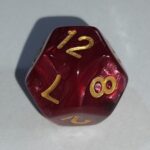
Next, we have the twelve-sided dice that we call – the d12.

dodecahedron

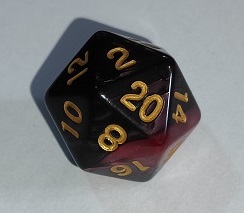
Finally, the one where we roll the most during most RPGs… the 20-sided dice that determines the fates of many. That roll to see if your character does something heroically amazing, of he fails in epic proportions… both tales befitting to be recalled many times over as your group is bound to reminisce – the icosahedron – d20.

If you’re keen to try out some neat games involving this set of amazing math rocks, click THIS link to download the rules for 3 simple Maths games you can play with anyone.

There is an offer on Fruit Dice in our store too which will make cute gifts for children and probably your friend who’s a Math teacher. How did they put those tiny inserts in the cube?!