In a world that rarely slows down, sometimes the smallest actions make the biggest difference. Rolling a handful of dice. Shuffling a deck of cards. Gathering around a table with people you care about. Tabletop board games—once dismissed as niche or nostalgic—are quietly becoming one of the most meaningful hobbies of our time.
And for good reason.
A Table That Welcomes Everyone
At its core, tabletop gaming is about connection. When phones are put away and the board comes out, something subtle but powerful happens: people look at each other again. Conversations flow. Laughter replaces notifications. Win or lose, everyone shares the same space and the same moment.
For families, this is priceless. Board games create neutral ground where parents, children, and even grandparents meet as equals. No lectures. No pressure. Just shared experiences. Over time, these moments become rituals—Friday night games, weekend campaigns, or quick rounds after dinner—that quietly strengthen family bonds.
A Boost for Mental Well-Being
Tabletop games are surprisingly good for mental health. They provide structured play, which helps calm anxious minds. Clear rules and goals create a sense of control in a world that often feels chaotic. Even cooperative games—where players win or lose together—encourage empathy, communication, and emotional regulation.
For many, games offer a safe way to fail. A bad roll or poor decision isn’t a catastrophe; it’s a lesson. You reset. You try again. That mindset—resilience without shame—is a powerful thing to practice regularly.
Growing Skills Without Realising It
Board games are learning in disguise. Strategy games sharpen critical thinking. Role-playing games build creativity, storytelling, and confidence. Party games improve social skills and communication. Even younger players learn patience, turn-taking, and sportsmanship—skills that don’t always come naturally but grow steadily at the table.
And perhaps most importantly, games remind us that growth doesn’t have to feel like work. Personal development can be fun.
More Than Just a Game
When we roll dice, we aren’t just playing—we’re investing in relationships, mental well-being, and ourselves. We’re choosing presence over distraction. Connection over isolation. Play over pressure.
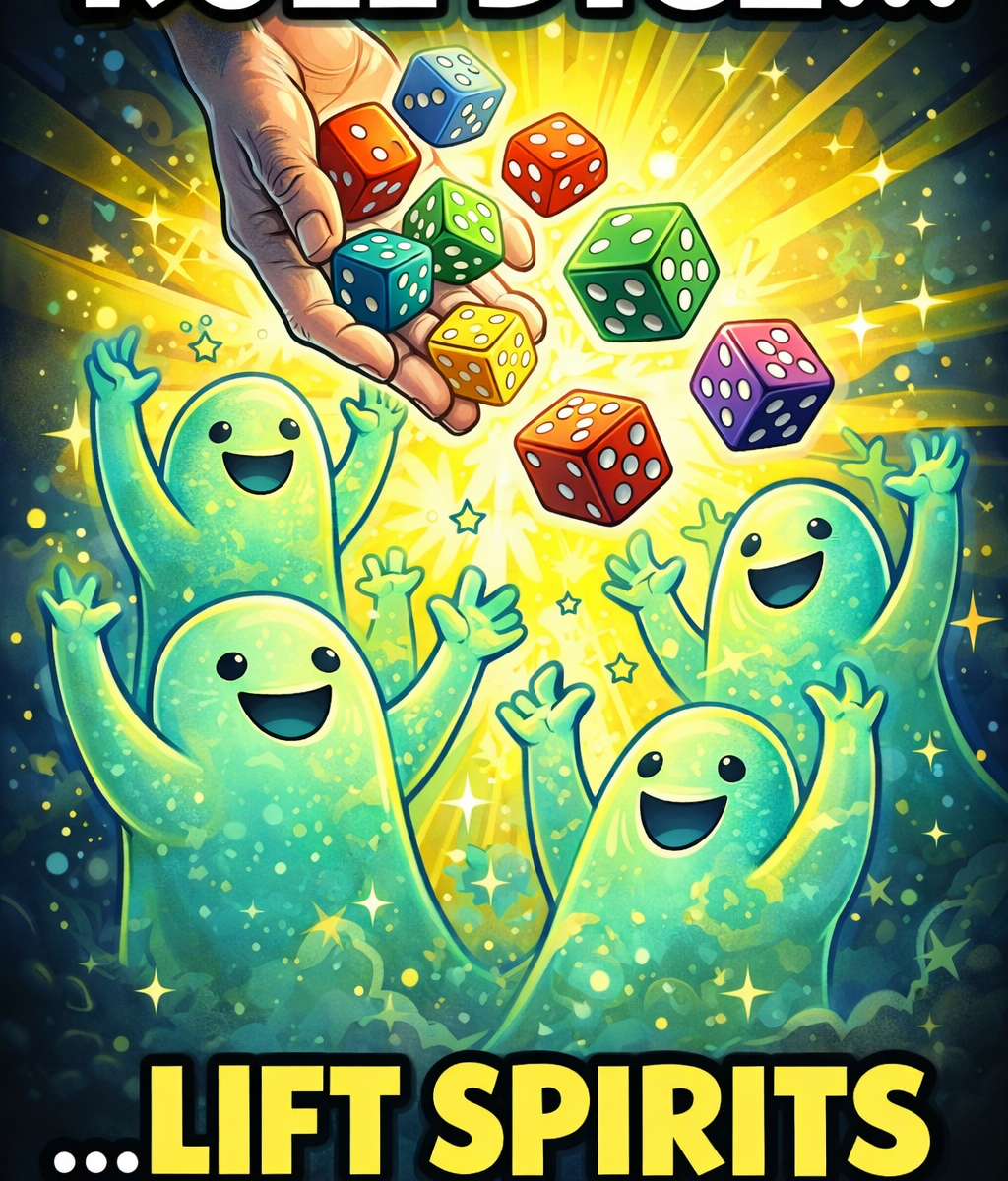
So the next time life feels heavy, consider this simple act: gather a few people, set up a board, and roll the dice.
You might just lift your spirits along the way. 🎲