Play Together, Feel Better: The Power of In-Person Board Game Meetups

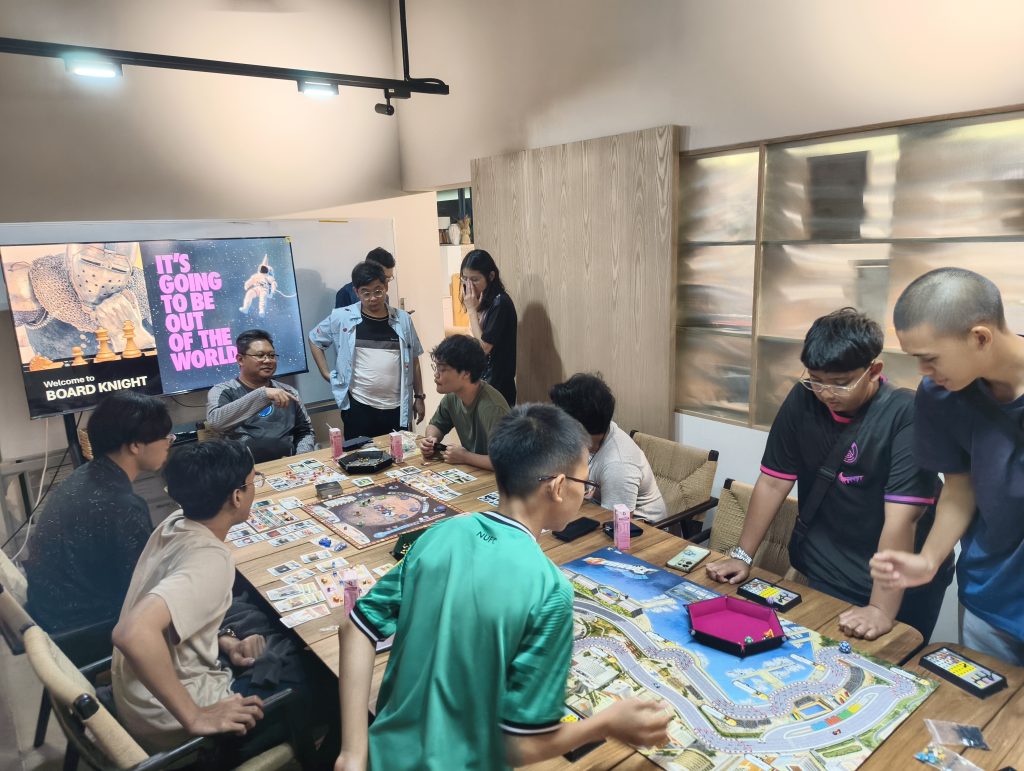
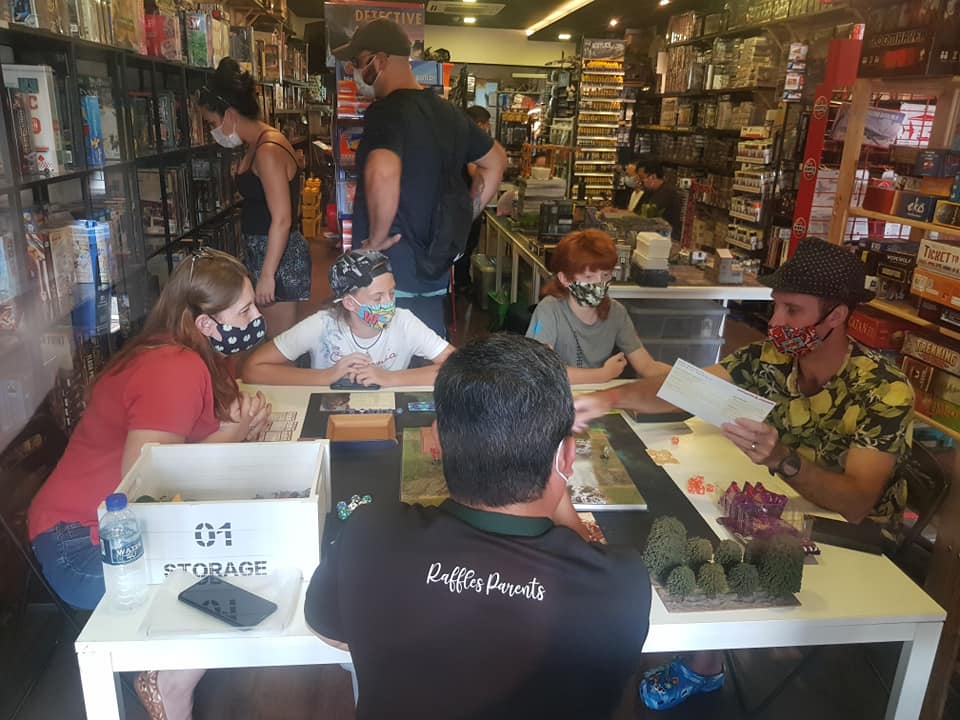
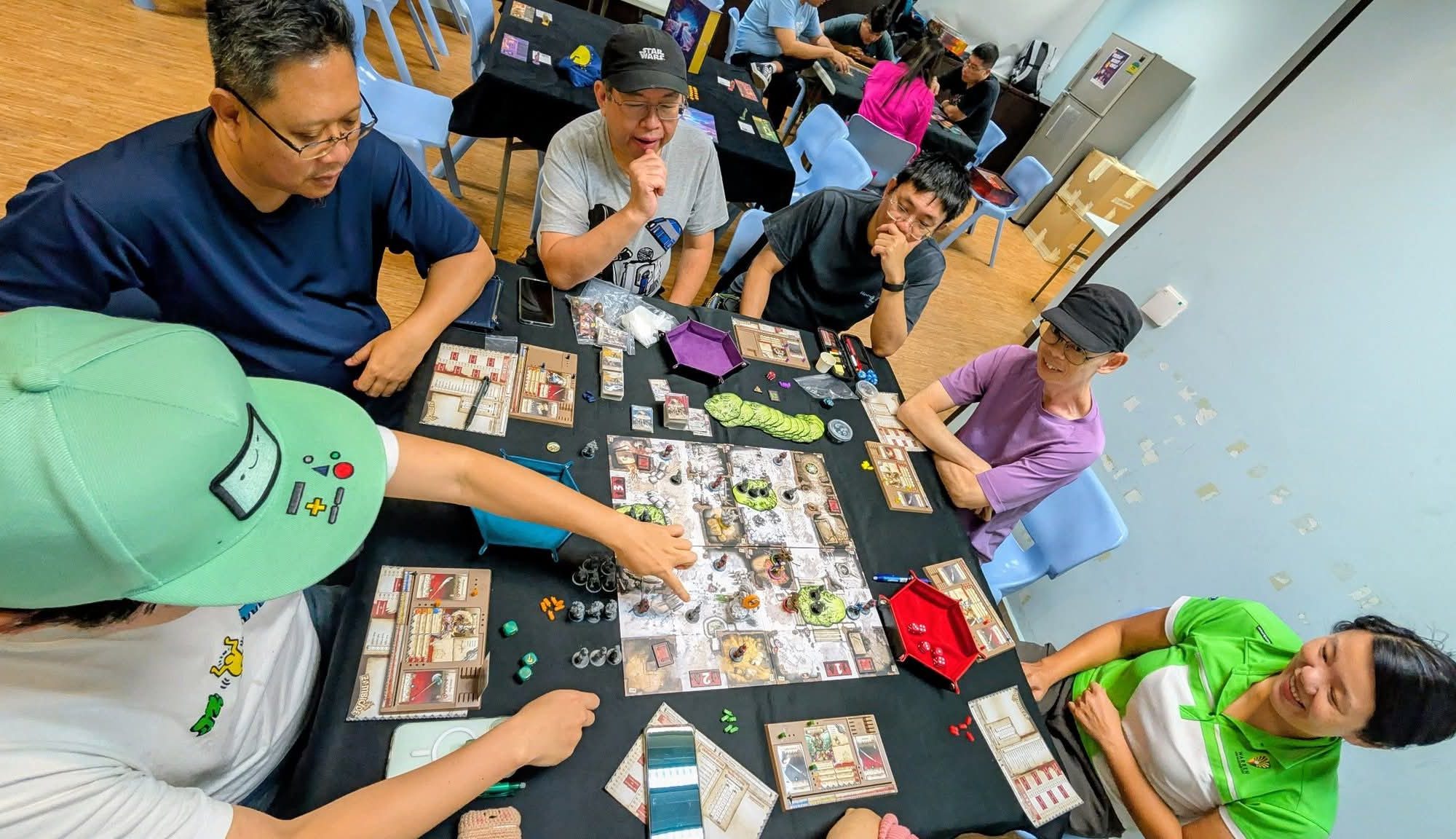
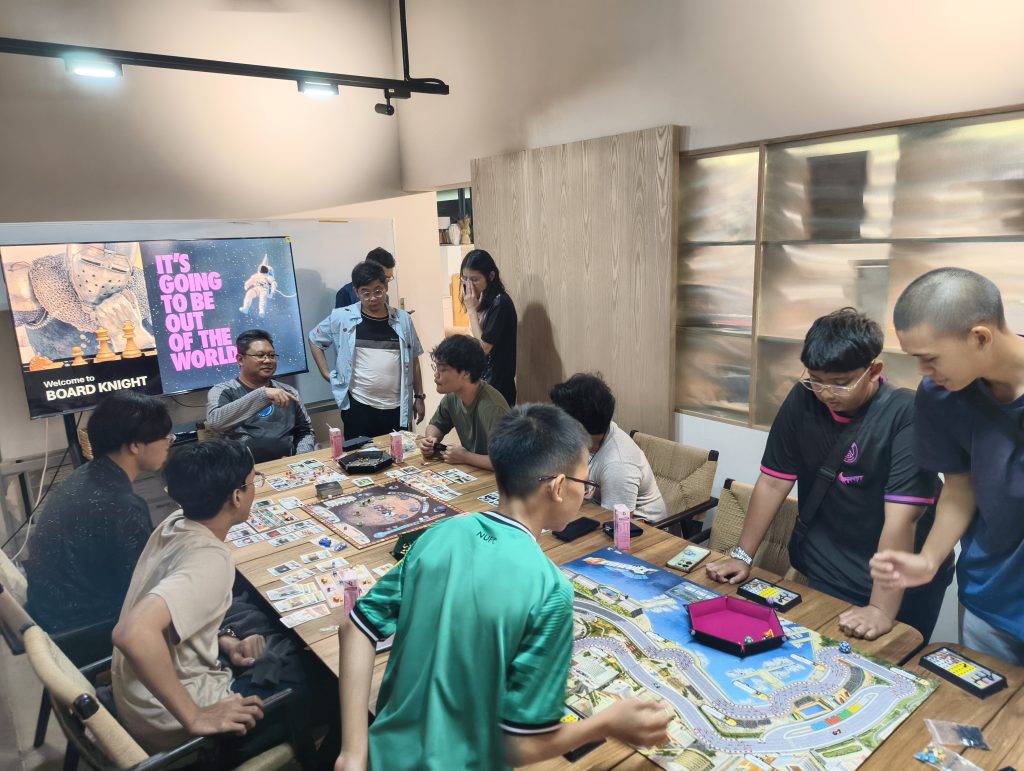
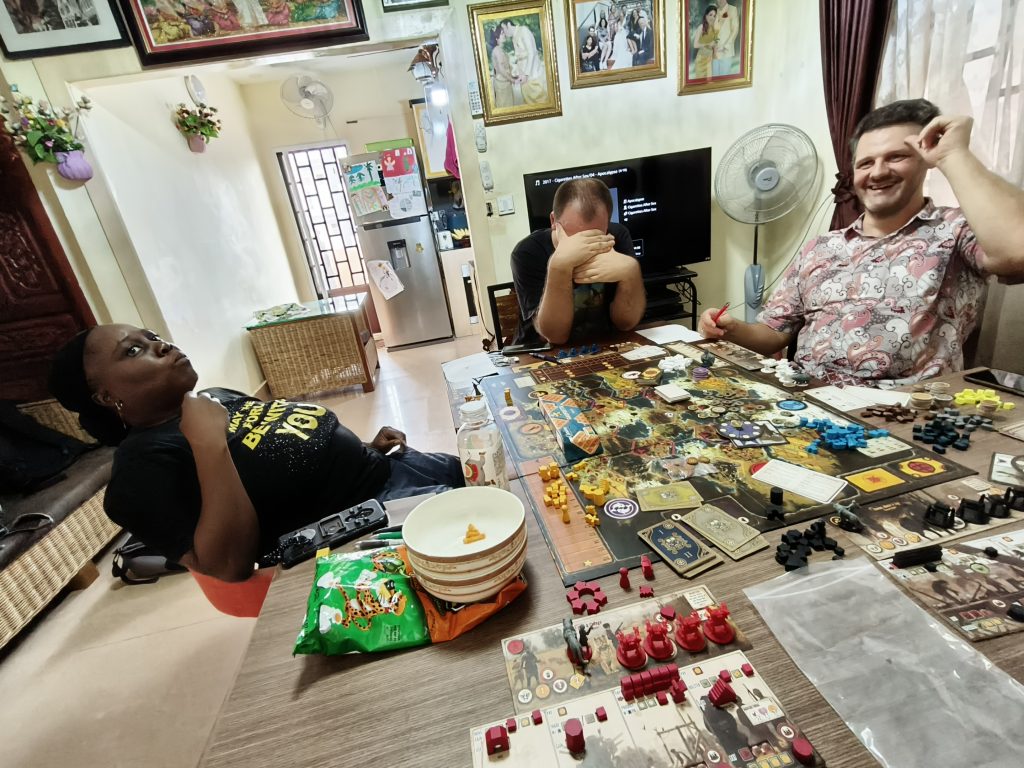
In a world increasingly dominated by screens and digital interactions, young adults are rediscovering the joy of gathering around a table, rolling dice, and sharing laughter through board games. While online gaming offers convenience, it often lacks the warmth, spontaneity, and emotional connection that come with face-to-face play. Public board game meetups—whether at cafés, libraries, or community centers—are more than just a hobby. They’re a lifeline for mental health, social bonding, and emotional resilience.

Meeting in person fosters genuine connection. Eye contact, shared snacks, and the physical presence of others create a sense of belonging that digital platforms struggle to replicate. For young adults navigating the pressures of work, studies, or social isolation, these gatherings offer a safe, low-stakes environment to unwind, laugh, and build friendships. The collaborative nature of games encourages teamwork, empathy, and trust—skills that translate into real-world relationships and emotional intelligence.

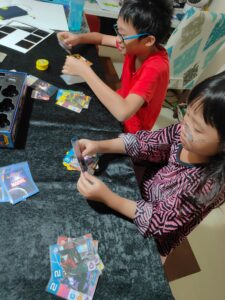
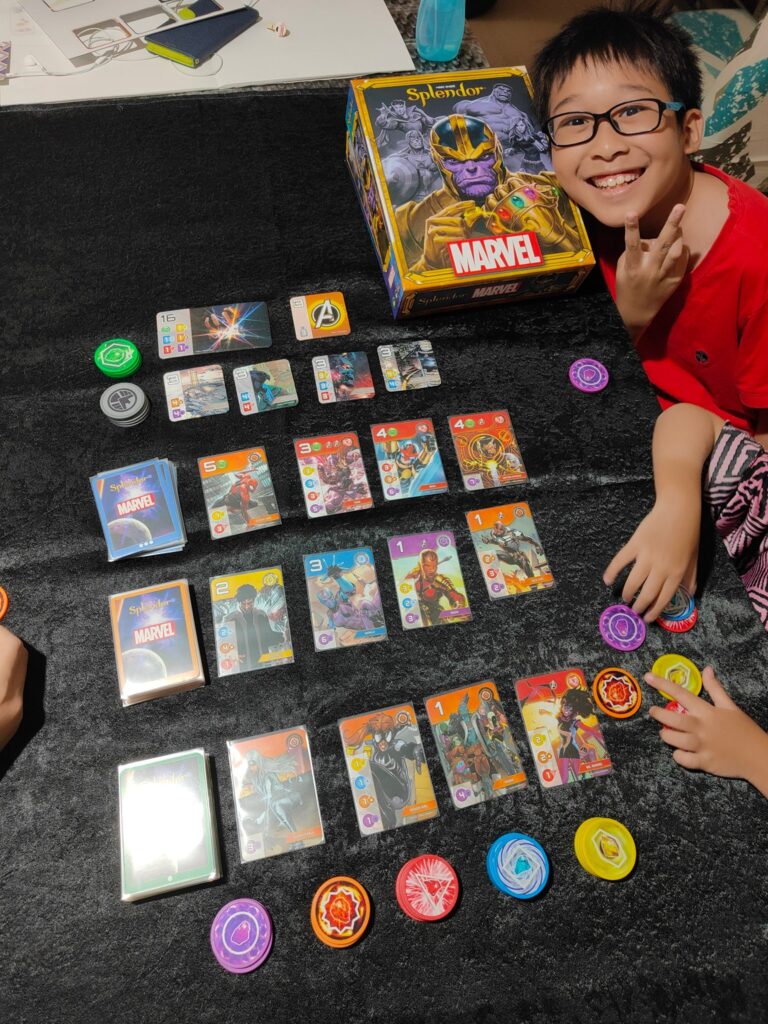
Board game meetups also provide structure and routine, which are vital for mental well-being. Knowing there’s a weekly or monthly session to look forward to can help combat loneliness and give purpose to social time. Many participants report feeling more confident, less anxious, and more socially engaged after attending regular sessions. Whether you’re strategizing in Splendor, bluffing in Deception: Murder in Hong Kong, or storytelling in Dixit, the shared experience creates lasting memories and emotional uplift.

So if you’re feeling disconnected or simply want to meet new people in a meaningful way, consider joining a local board game group. You don’t need to be an expert—just curious and open. Play together, feel better—and let the dice roll toward deeper connection.
A keen young DM has appeared… together with his eager as beavers family members forming his party!

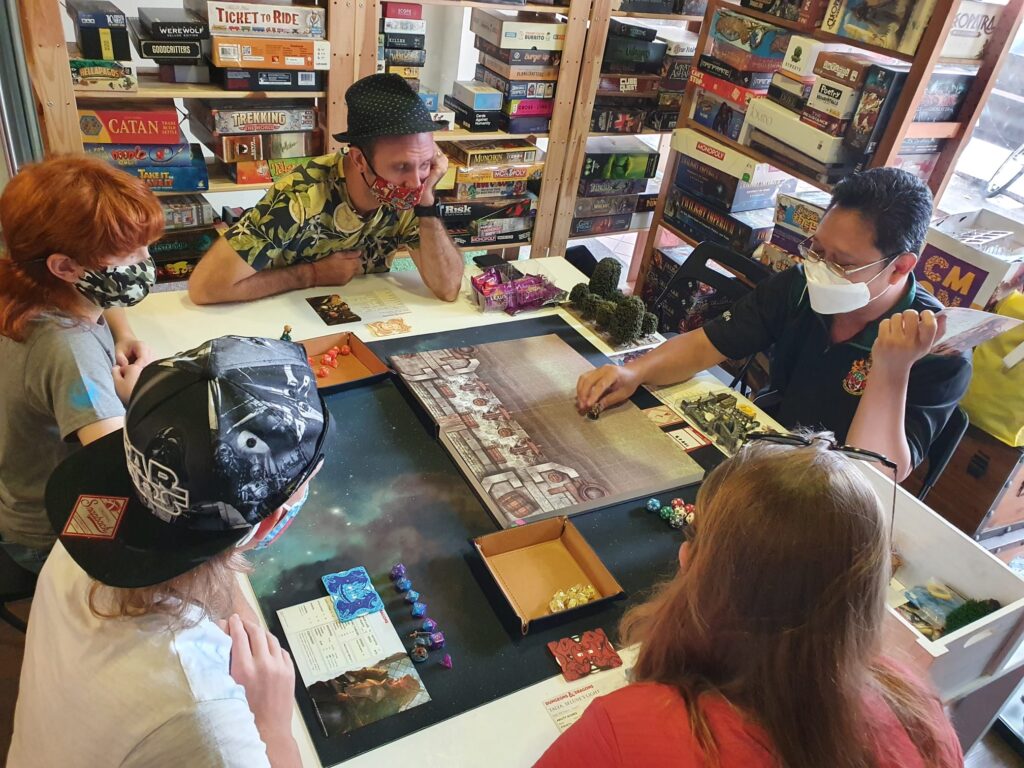
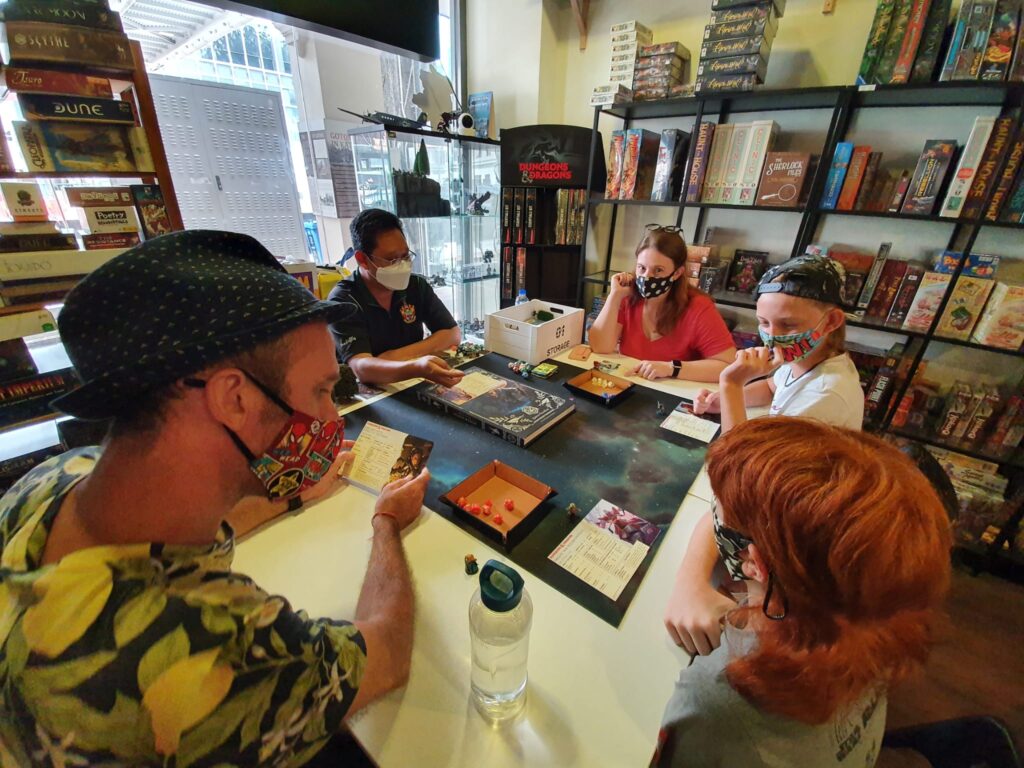
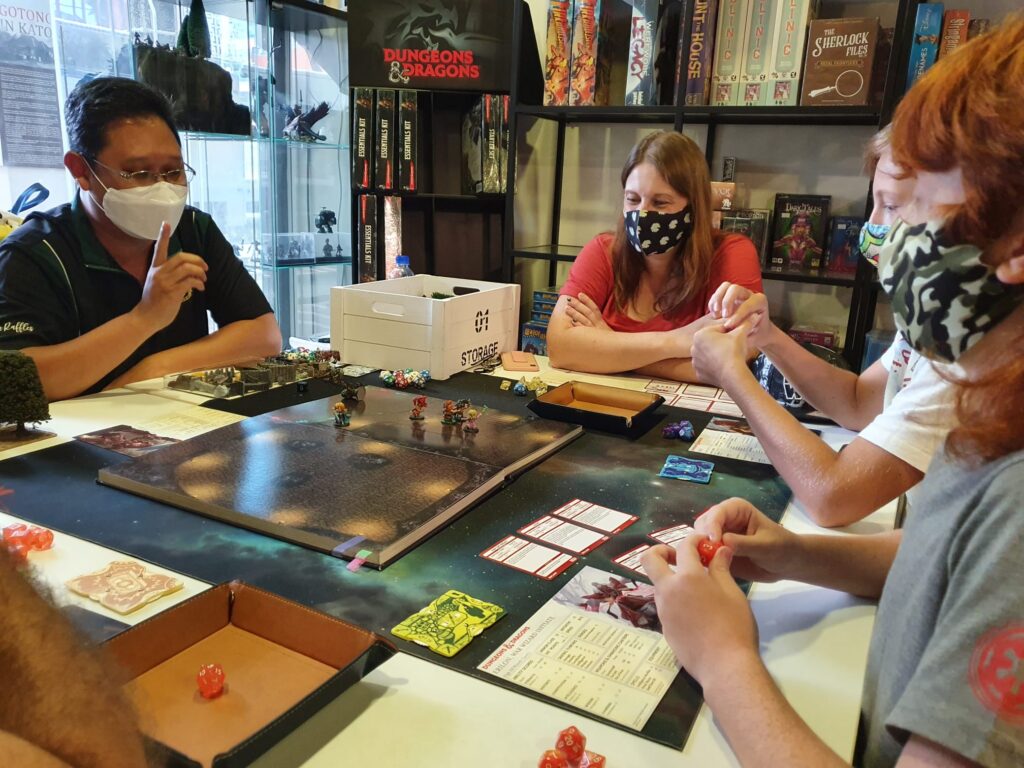
It absolutely stoked me when I was called to DM for a family of four at a Learn-to-Play D&D event last Saturday. I was told that a mum had signed up on behalf of her son who was keen to learn how to play the game. Apparently, they have bought the Starter Set but he was having trouble picking it up. So, I told Criticals & Fumbles to gave them the nod to register as a family and they happily obliged.

I give maximum kudos to an 11 year-old for stepping up and trying to learn this game so that he can run it for his family. Alas, some things are best learnt from those who can, for a start. I mean, you can’s just buy a car and learn how to drive by reading the manual or watch a YouTube video, can you?

Over the span of 3 hours on a Saturday afternoon… we went over the basic rules, the difference between race versus class, the relative importance of role-playing albeit with some attempt at voice-acting, how to identify which dice to be used and what to look for in their character sheets when asked to do a Skill check or a Saving throw. The young lad himself was so focused and knew exactly the parts where he needed to seek clarification. The ‘I-now-get-it’ expressions on his face every now and then are what DMs like me live for.
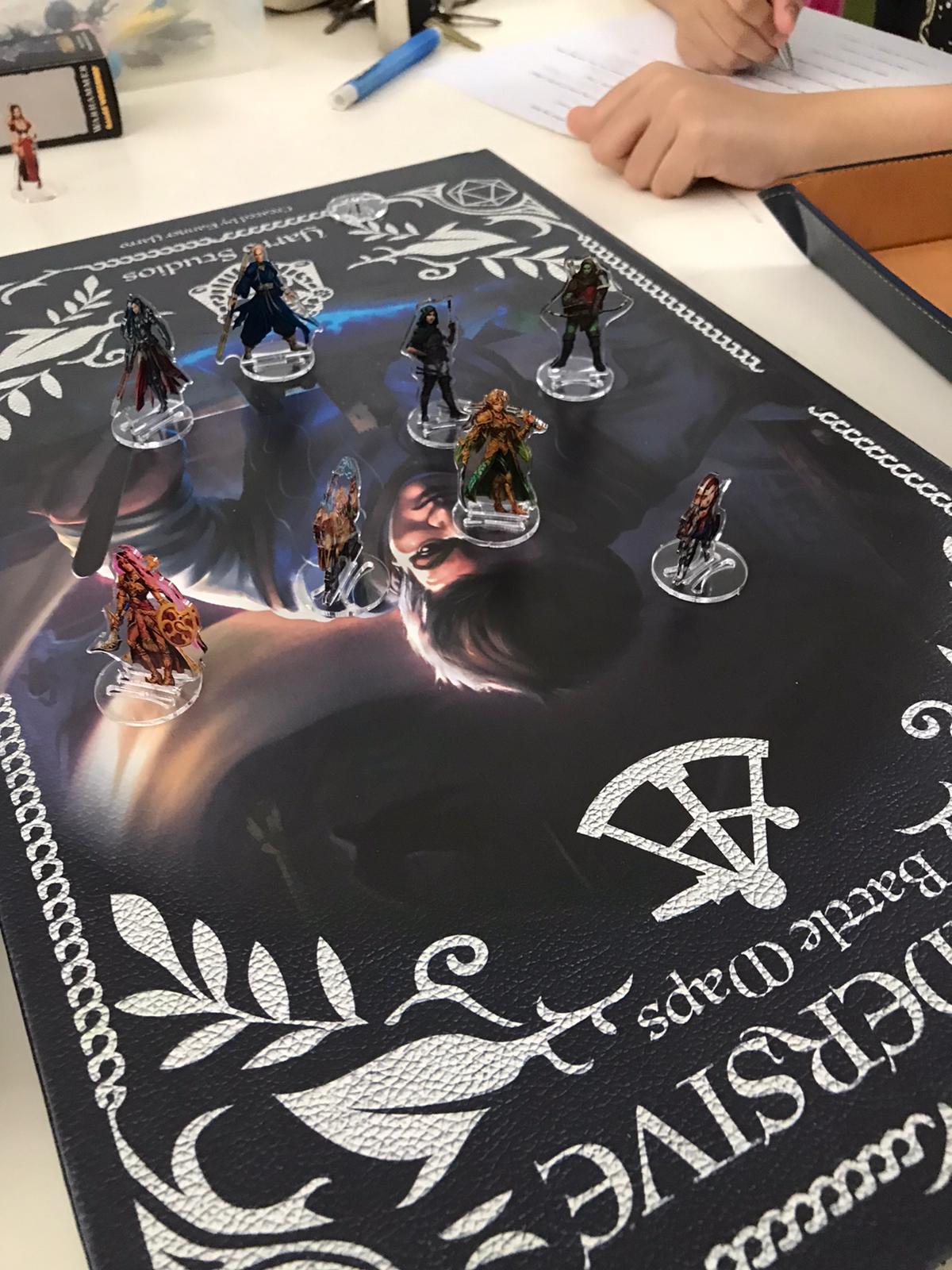
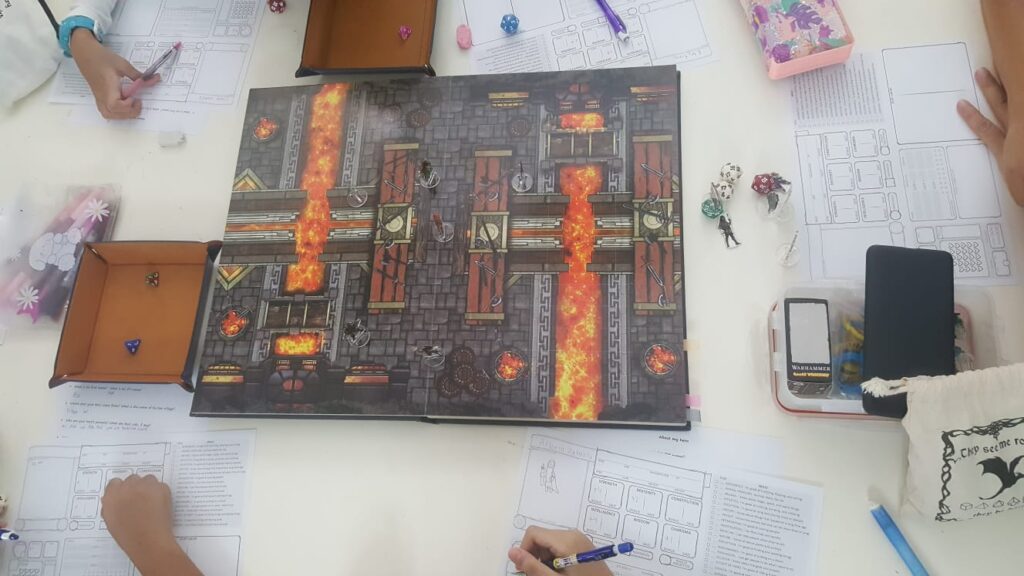
On the day itself, the Dad admitted that he didn’t know what he was signing up for but was more than glad to learn and be surprised. Needless to say, by the end of the session, he expressed how it was mind-boggling to see the skills needed to run a game and the extra care given to ensure every new player has enough support in terms of equipment like; dice sets, beginner character cards, spells cards, hit point counters, gorgeous maps and intricately painted miniatures.

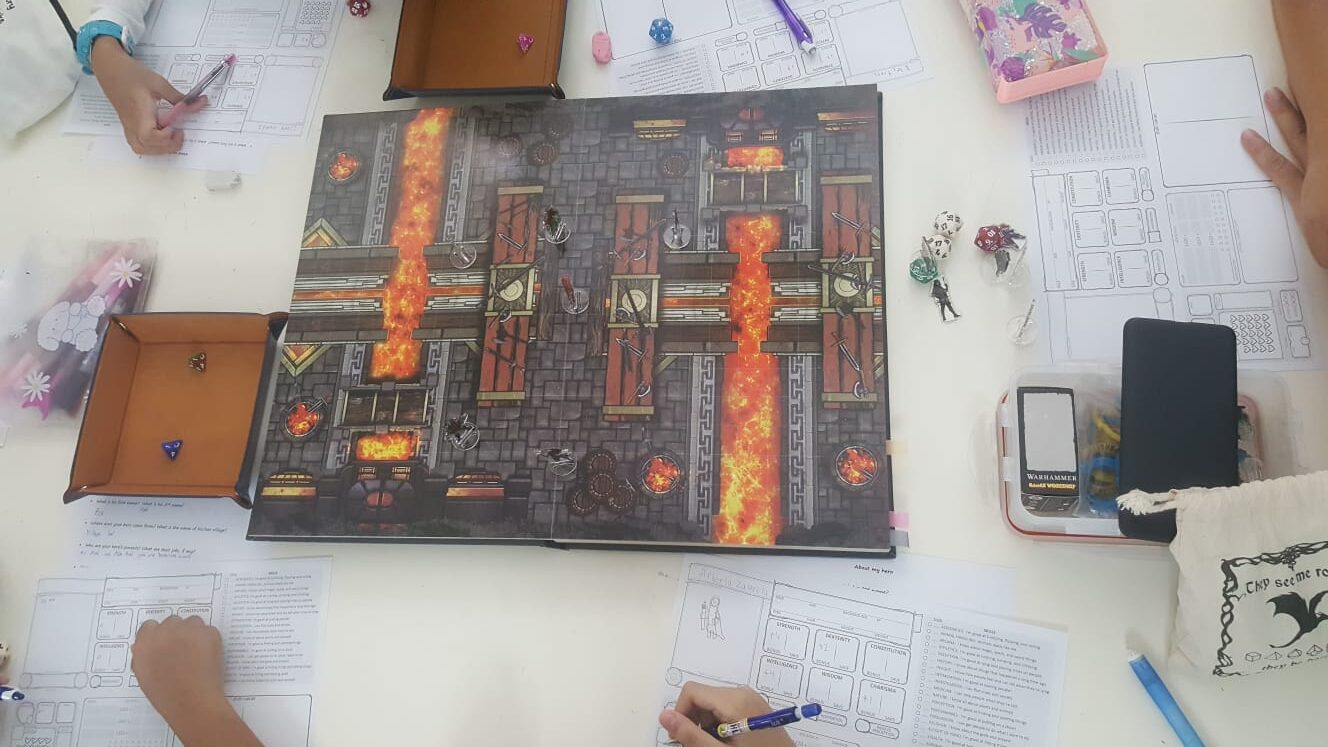
My inspiration of writing this blog was actually – the young DM wanna-be. His enthusiasm was infectious that it got the rest of the family curious and from this session alone, he managed to get wonderful support from his parents that they actually agreed to buy the pretty massive Immersive Battlemaps book! Step one step closer to being an awesome DM 🙂

Every Learn-to-Play session that I do for families and kids, is to really share how a few hours can turn into a wonderful, highly interactive moment of storytelling where we build memorable moments together – regardless of the dice outcomes that either force you to succeed/fail your intended actions – because it’s all part of what makes the game what it is… sort of a ‘controlled chaos’ where everybody leaves with a sense of satisfaction, achievement and especially having fun.
Well, for the games I run for families and and children at least. For adults, there are DMs who thrive and excel in other varieties of storylines or endings that are morally grey. We do what’s appropriate for the group and/or when the group is ready.
Unboxing is one of our favourite things to do too.

While we have yet to create our own unboxing and reactions videos… we have always enjoyed doing it nonetheless as a family.

Even when the youngest member of the family was barely able to join us for most of the table top games, to get her feel involved – punching out the tokens from the board is almost always her “job” which she takes the utmost pride in doing!

Now that she’s grown and can join all her elder siblings at the table, we love opening a new game together and if necessary, we’ll do our part to do the punch-outs and also to sleeve the cards.

All set and ready to play!

Who says going to the mall cannot be a fun, educational experience?

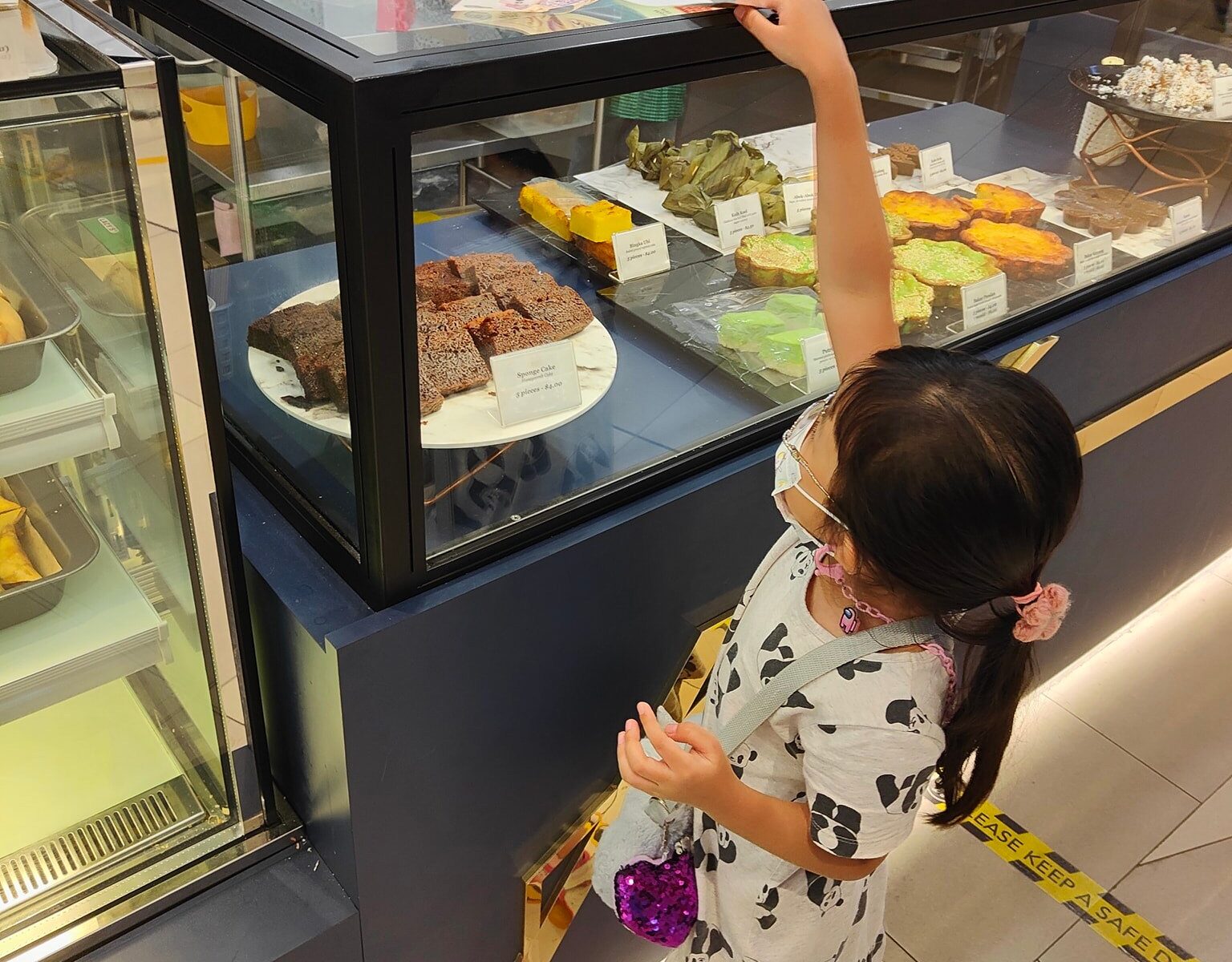
I like making mundane things fun by coming up with a simple game to pass the time, be it on long car rides or even out and about at the mall.

Recalling that have a booklet of vouchers and was going to be at Tampines Hub, to make walking around less boring, we turned it into a scavenger hunt of sorts. Ok, I confess, I came up with the idea to distract her from wanting to enter the toy shop around the corner.

We chose a few vouchers we could use today and off she went to hunt for the establishments depicted on the selected vouchers. Sure she can easily spot the shop/brand logo but when not within line of sight, we made use of the unit number on the voucher and the unit number of the shops closest to us to estimate how much further we had to walk. That in itself is the intangible skill of ‘estimation’. You may recall questions in our big stakes exam (PSLE) about the mass or height of a stack of coins (long before the Helen & Ivan saga).

Wherever possible, she reads the text on the voucher and choose the correct dollar bill to pay the lady at the counter.

At the end of the day, I got the pizza for her and the brothers at a discount and avoided several shops not on my list. I say, that’s a win for daddy today!

Dice Games

Aaaah… dice! One of the earliest and easily recognized game accessory of all time.

The six-sided (d6) is by far the most common one and would be the first many would picture in their mind at the mention of the word – dice.

However, games have evolved and we now gladly throw what we call ‘math rocks’ or ‘click clicks’ that range from being 2-sided (d2)…

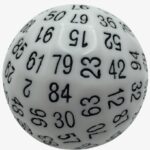
or one with a hundred sides (the d100!) across the table.

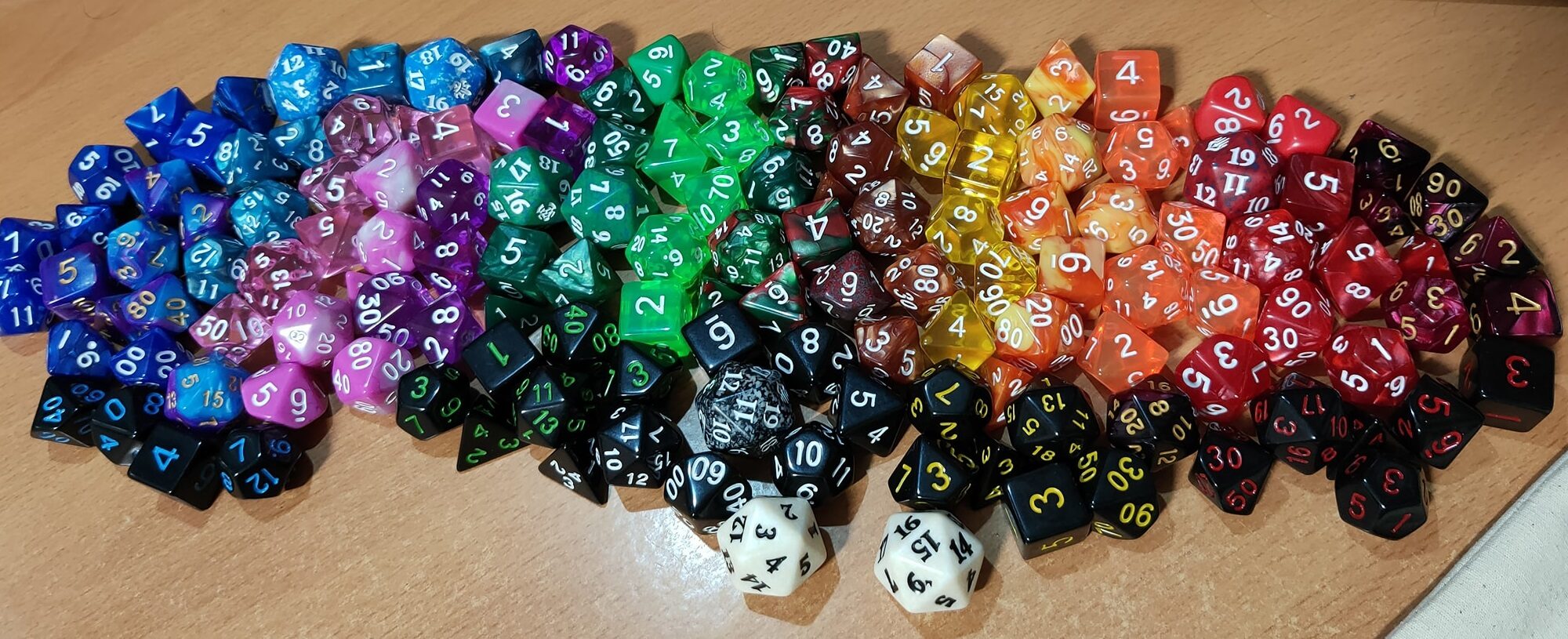
You know how there are some women who likes to collect shoes, bags and whatever accessories to their fancy? Or how some men collect watches, wallets etc? Speak to some gamers and you’ll discover that there is such a thing as Dice Goblins. Chances are – they’ll be more than happy to whip out a photo of their rather impressing collection of dice.

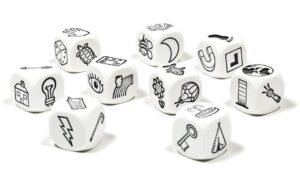
In the classroom, dice has been used to teach Maths (obviously!) and even Language Arts. What’s more fun than throwing dice to do basic mathematical equations at primary school than rolling dice with friends, right? I’m willing to put money on guessing that if your English/Language teacher had brought in these storytelling cubes, it would have been one of the best writing activities you’d easily remember having fun the most during class.

The fact that the regular set of role playing dice comes in a variety of polygonal shapes, sometimes it’s hard to tell them apart. We use them regularly for our sessions, especially in out “Adventurer’s & Writers” enrichment sessions so we’re created a blog entry with their descriptions. We’ve uploaded a file, together with 3 suggested dice-games in the Products section of this website. It’s FREE for you to download – here!

Know your POLYHEDRONS

A guide to the standard set of 7 RPG Dice.

Most of the dice are given names like d6 or d20. The ‘d’ is for dice and the ‘number’ refers to the number of faces / sides the dice has.

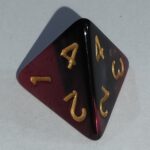
This four-sided often referred to as the d4. You typically read the number that is the right side up and oriented the right way.

This is a d4 – a tetrahedron

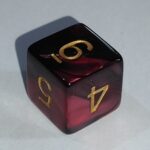
We all know this one… the six-sided cube – the d6.

cube

The eight-sided one is often referred to as – the d8.

octahedron

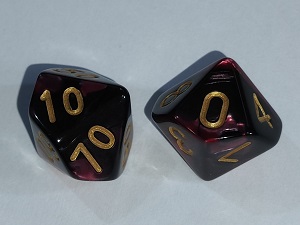
This d 10, is the ten-sided dice is the one with only single digits on each face.

deltohedron

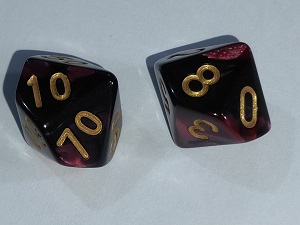
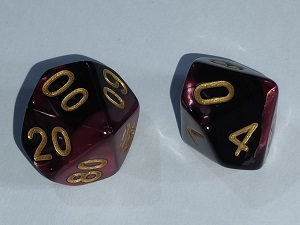
There is another ten-sided dice but it’s the one with the double digits (00-90). We call this the PERCENTILE dice.

deltohedron

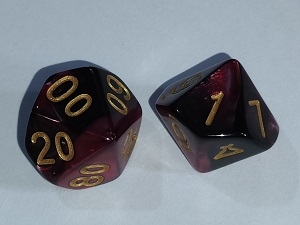
This dice is usually thrown together with the d10 to produce a ‘percentage’ result. The digits on the percentile dice represents values in the tens-place while the d10 digit is for the ones-place. It’s kind of tricky for newbies but we’ll try to give you some simple examples to explain;

0 tens + 1 ones = 1%
ten + 0 ones = 10%
ten + 8 ones = 18%

So… how do you get 100%?

This is the only way to get 100% and won’t count it as a 0% because… that would be mean.

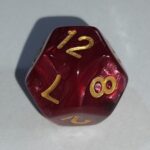
Next, we have the twelve-sided dice that we call – the d12.

dodecahedron

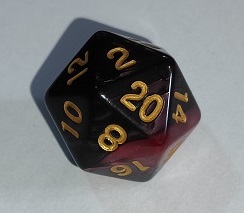
Finally, the one where we roll the most during most RPGs… the 20-sided dice that determines the fates of many. That roll to see if your character does something heroically amazing, of he fails in epic proportions… both tales befitting to be recalled many times over as your group is bound to reminisce – the icosahedron – d20.

If you’re keen to try out some neat games involving this set of amazing math rocks, click THIS link to download the rules for 3 simple Maths games you can play with anyone.

There is an offer on Fruit Dice in our store too which will make cute gifts for children and probably your friend who’s a Math teacher. How did they put those tiny inserts in the cube?!

Adventurers & Writers: The November Chapter!

We had just concluded our first, end of the year holiday program where a small band of brave young adventurers stepped out of their comfort zones to try something very new for a change!

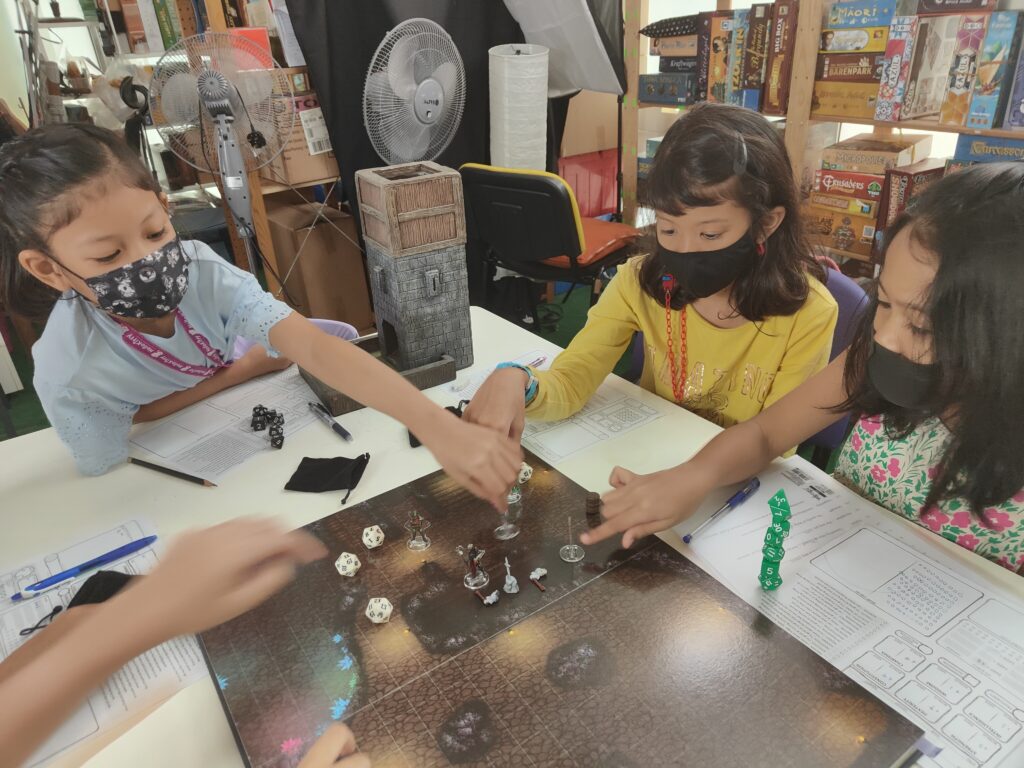
Three young ladies and two courageous lads heeded the desperate call for help from a village chief.

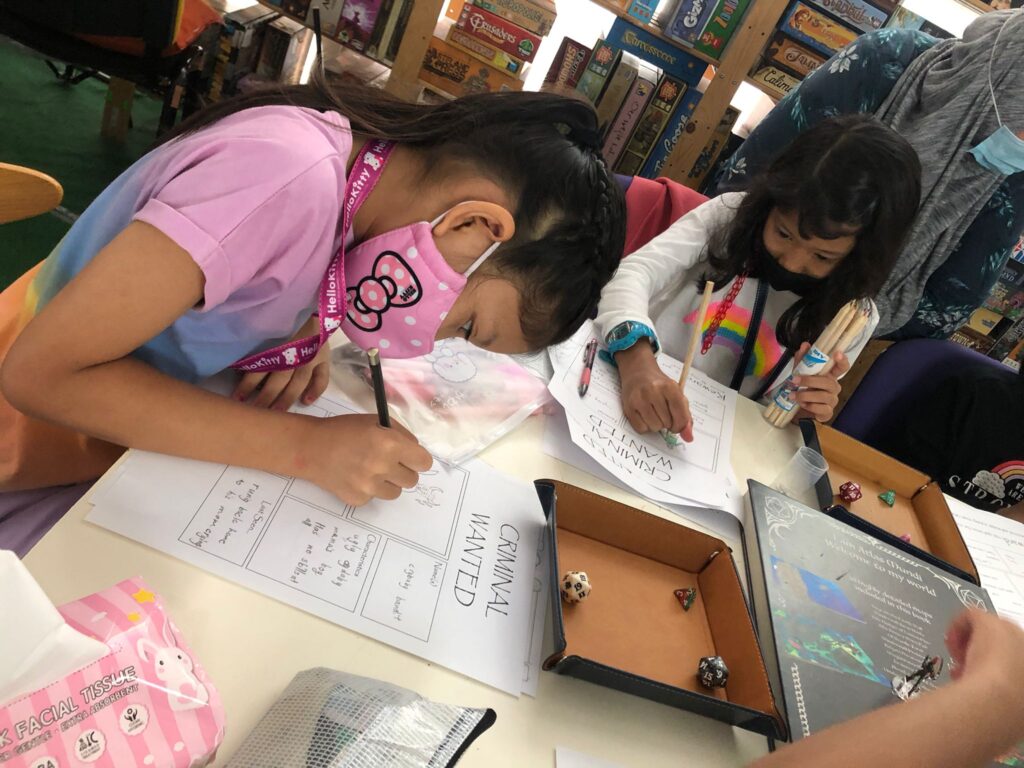
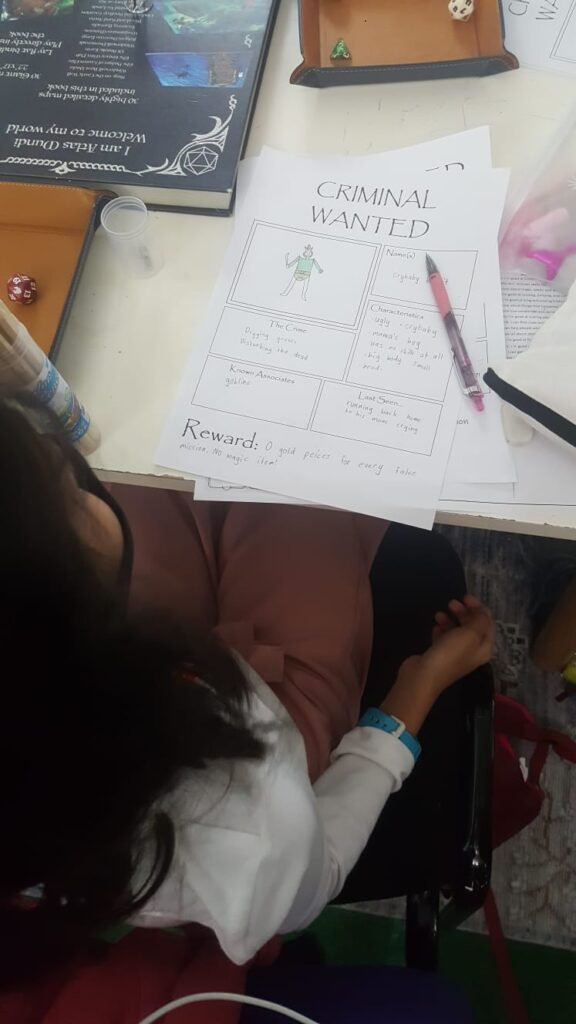
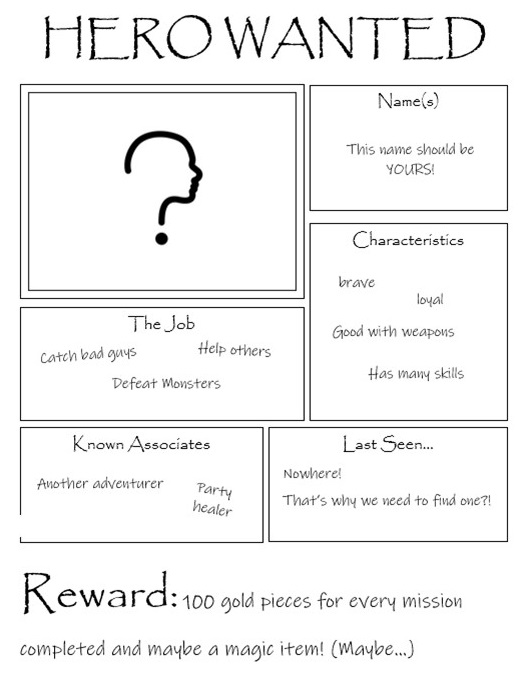
Sample “poster” in which they will have to recreate later

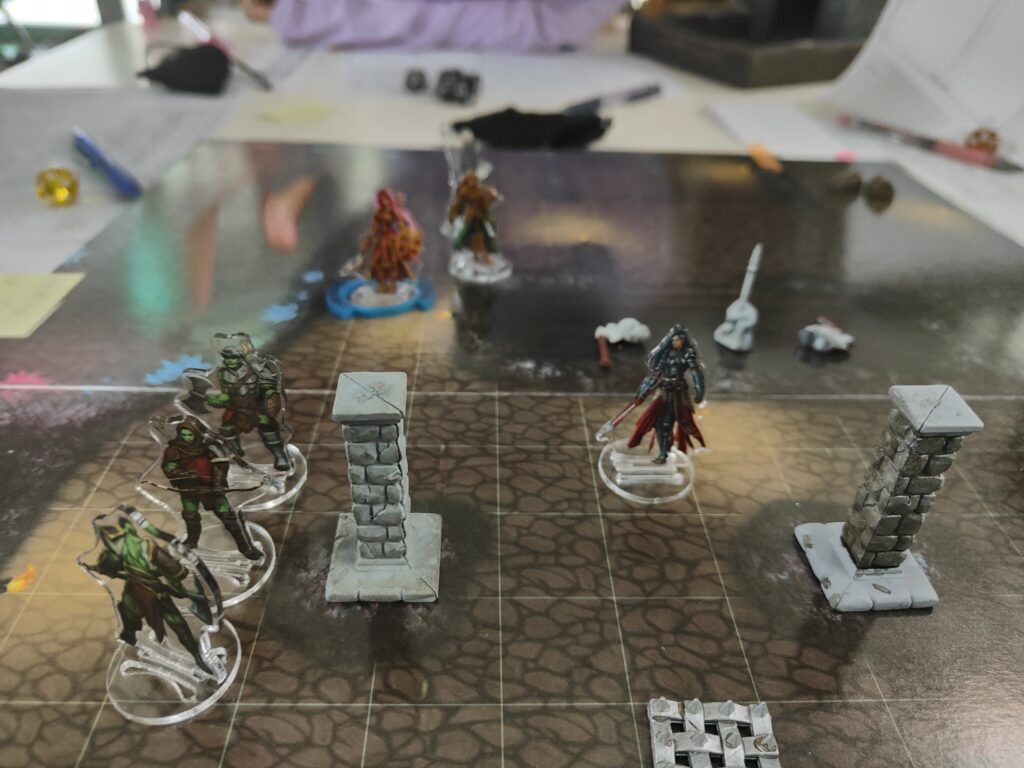
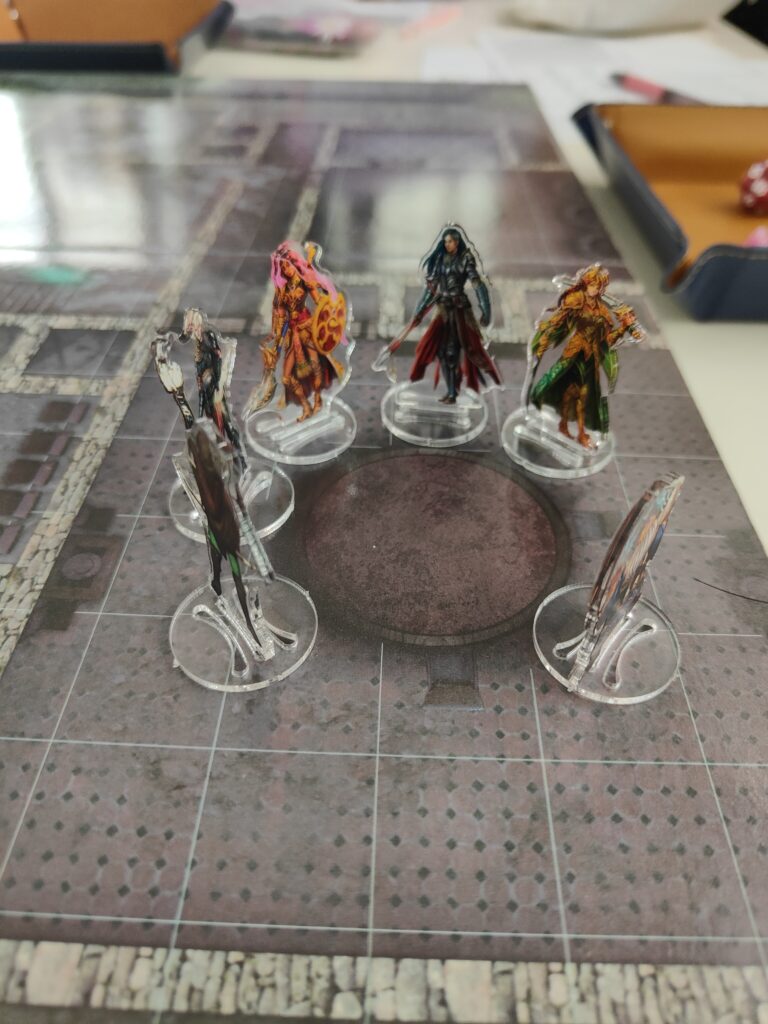
Hero miniatures for them to choose from.

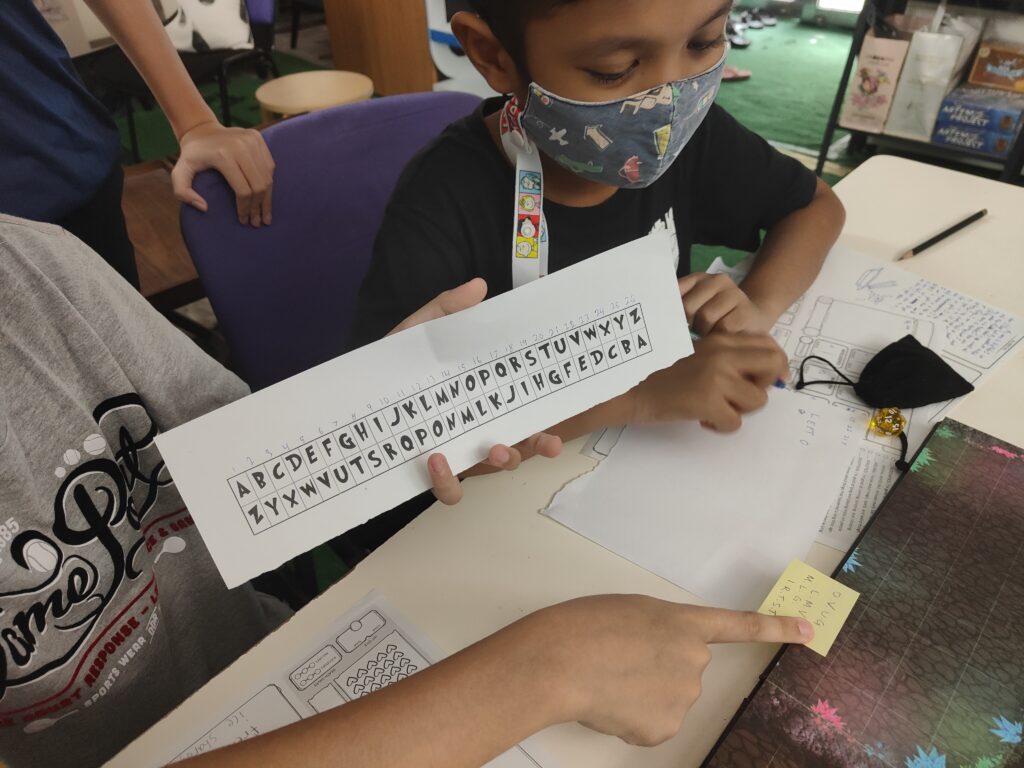
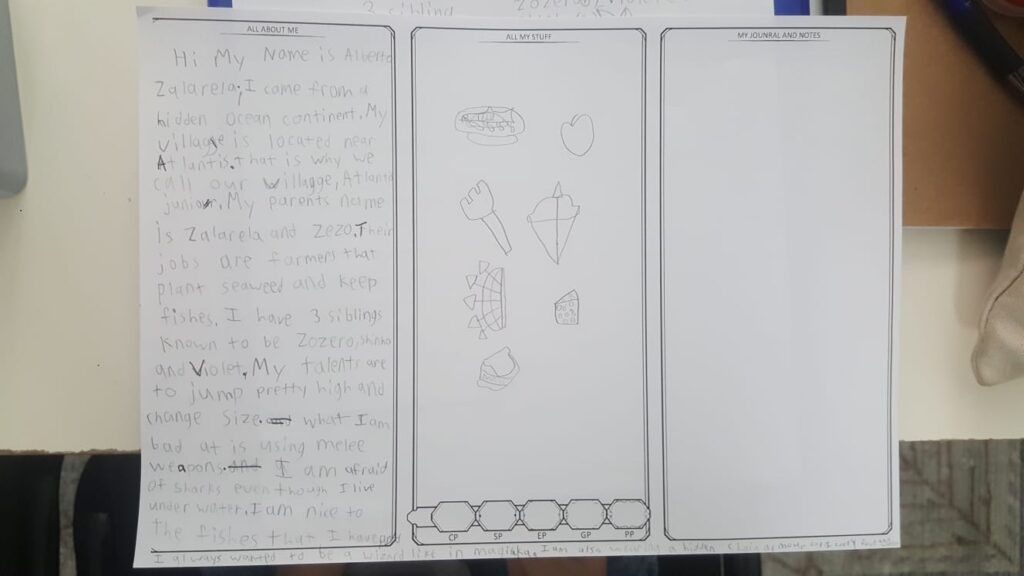
Their adventure begins after adding details about their characters with some serious shopping and information gathering as they visited various locations within the village.

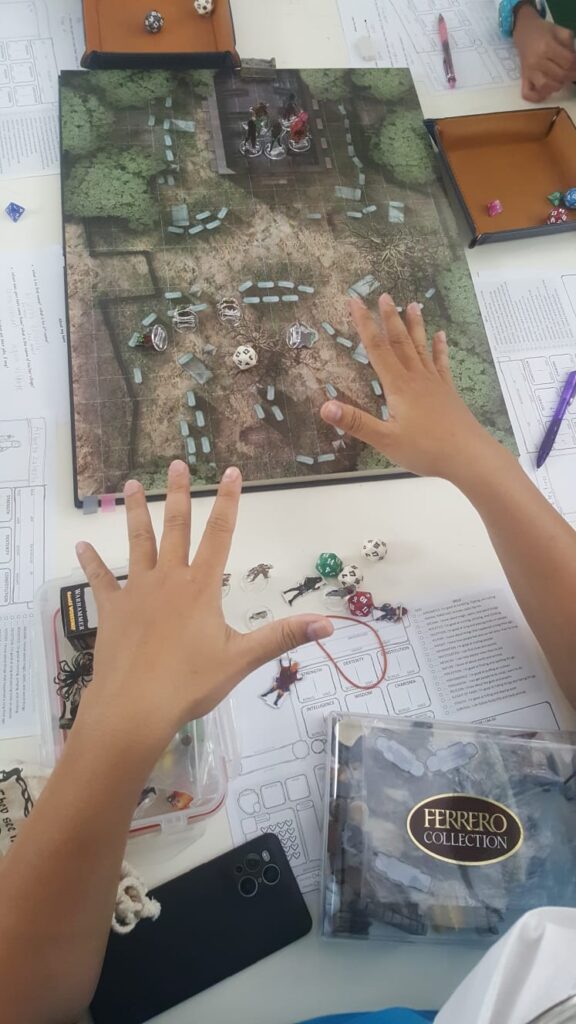
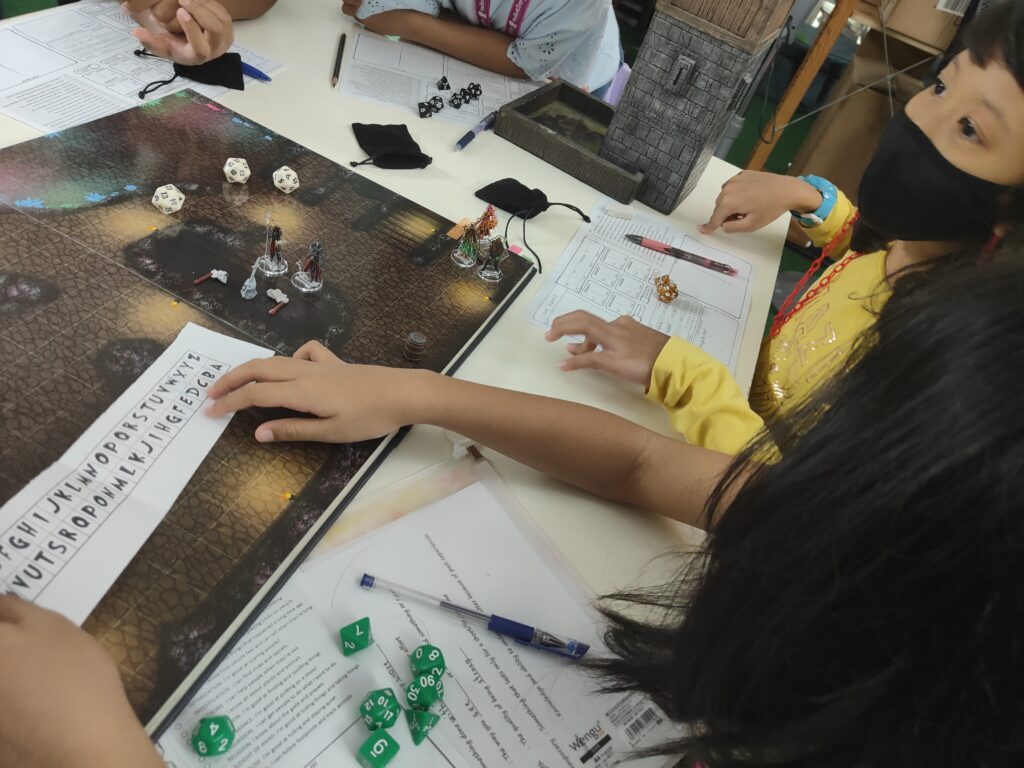
Dice were rolled, monsters dispatched, puzzles solved and bandits caught – Including… The Crybaby Bandit!  Name given because he cried running to his mum after the first encounter on Day 1.

Stories will be written about their exploits!

Village chief, Mister Teepot (name given by the children, because he was short and stout), thanked them for their services and hopes that they will stick around. Every village needs a hero, or two… or five, no?

#rpg, #d&d, #adventurers, #writers, #adventurersandwriters, #enrichment, #holidayprogram, #gamerdadsg, #childrenswriting, #storytelling, #roleplaying