Sharing a little bit about our history, journey and our thoughts about an important step in games design – Playtesting.
Behind the Games
Let's Make It A Good Game!
Sharing a little bit about our history, journey and our thoughts about an important step in games design – Playtesting.
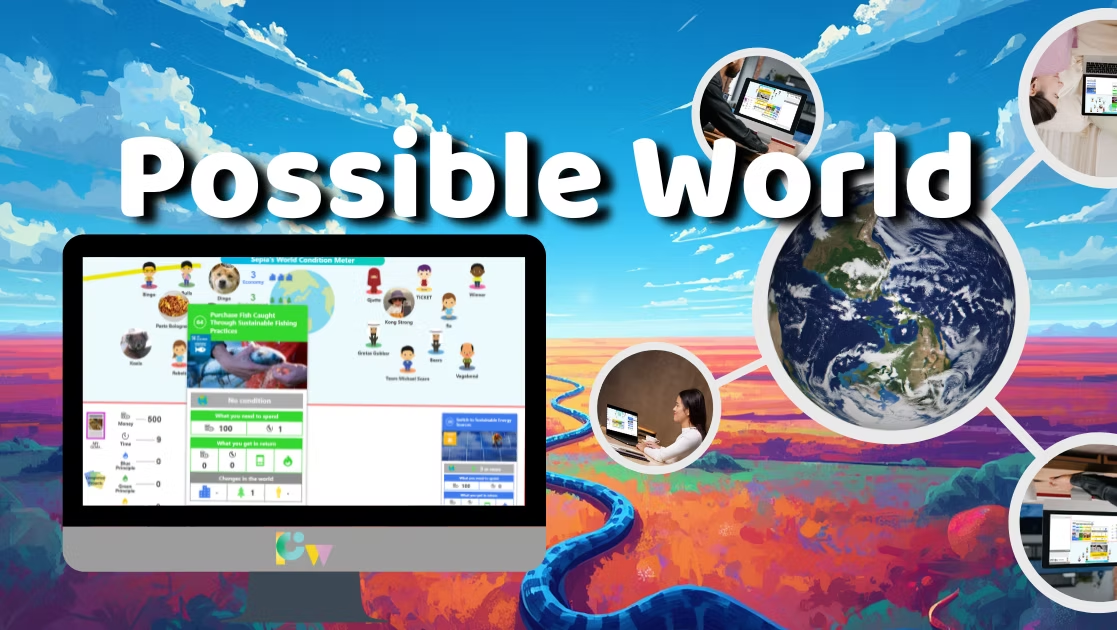
I managed to contact one the company staff member and found out that they conduct a similar online version of the game called Possible Worlds. We had a good online chat and now they’ve added an upcoming online session for SEA-Time.
I’d like to invite you to join us on this game-based challenge related to Sustainability Development Goals 2030s which may put you on a possible moment of ‘ikegai’.
Click the link below to get a ticket.
https://www.p-lab.world/event-details/en-jul-2026-possible-world-discovery-session-asia-time
I find this company both amazing and compassionate. They have a motto of not allowing people to miss out of incredible learning experiences just because they may be tight on a budget. Hence, you will 3 three different tiers of fees for the same experience and you choose the ticket that suits your affordability.

Reflection that was posted on another social page;
Ended up at a game-based workshop on Sustainable Development Goals.
These live world simulation games are pretty interesting to experience.
I went in with the gamer mindset;
– received personal goal to achieve (Minimum wealth target)
– received starting resources “money” & “time”.
Played like the typical capitalist who completed projects when possible as fast as possible – ignoring other world conditions and effects like “social” fabric and “environmental” health. Heck, I even sold my “time” resource cards to those who needed them to complete their projects. I only kept ONE time card to represent the brief moment I need to spend the money accumulated.
Here is where it got interesting… And the real world simulation layers in;
– The pleas for help from others to complete their projects, especially the environmental ones, were persistent… (World environmental health was at 1pt compared to Economy at around 15pts)
– And as others continued to help, I found myself getting “infected”.
– I’ve gotten more “money” than necessary, I have more spare “time”…
– The voice in my head said, “Wealth is worthless if there’s nothing/nowhere to spend on if the planet is dying.”
Henceforth, it was a conscious decision to personally change. Already knowing that I’ve “won”, I kept just enough to meet my minimum win condition – and donate the rest of the money to whomever else that needs it to complete their projects. The remaining incomplete project was also given away to let somebody else complete it. If it gets done by another and for the benefit of the world, let them do it.
In the end, everyone completed their goals, and the planetary conditions for Economy, Social &; Environmental was as balanced as it can get.
According to the facilitator, the state of the world can vary drastically depending on the types of players at any one session.
The big takeaways for our group were;
– the world can remain healthy as we work towards our Sustainable Development Goals
– but it requires a concerted effort from different agencies to work together
– calls for help, if loud and empathic enough, can get the momentum it needs… People need to show that we do care for the environment!
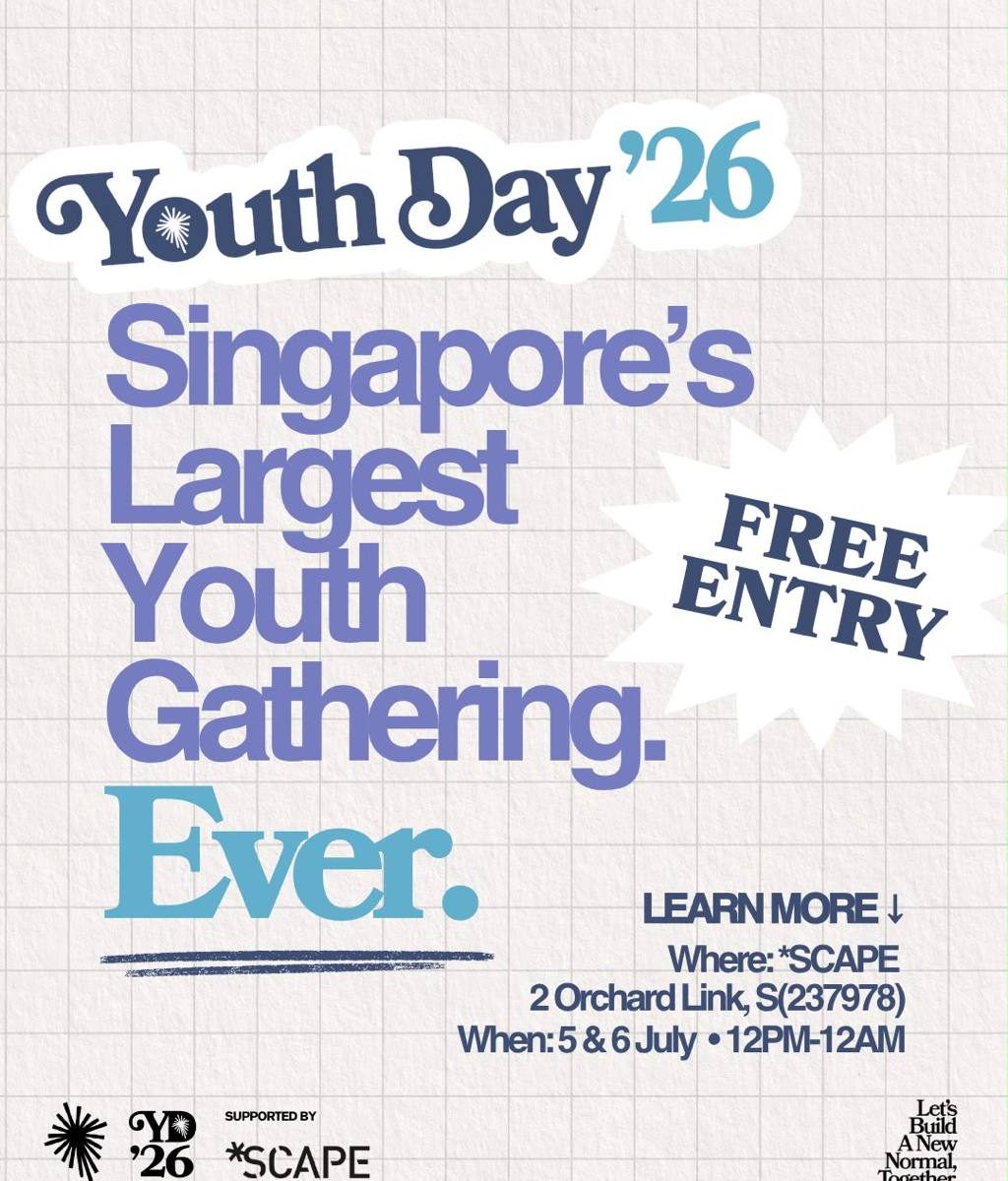
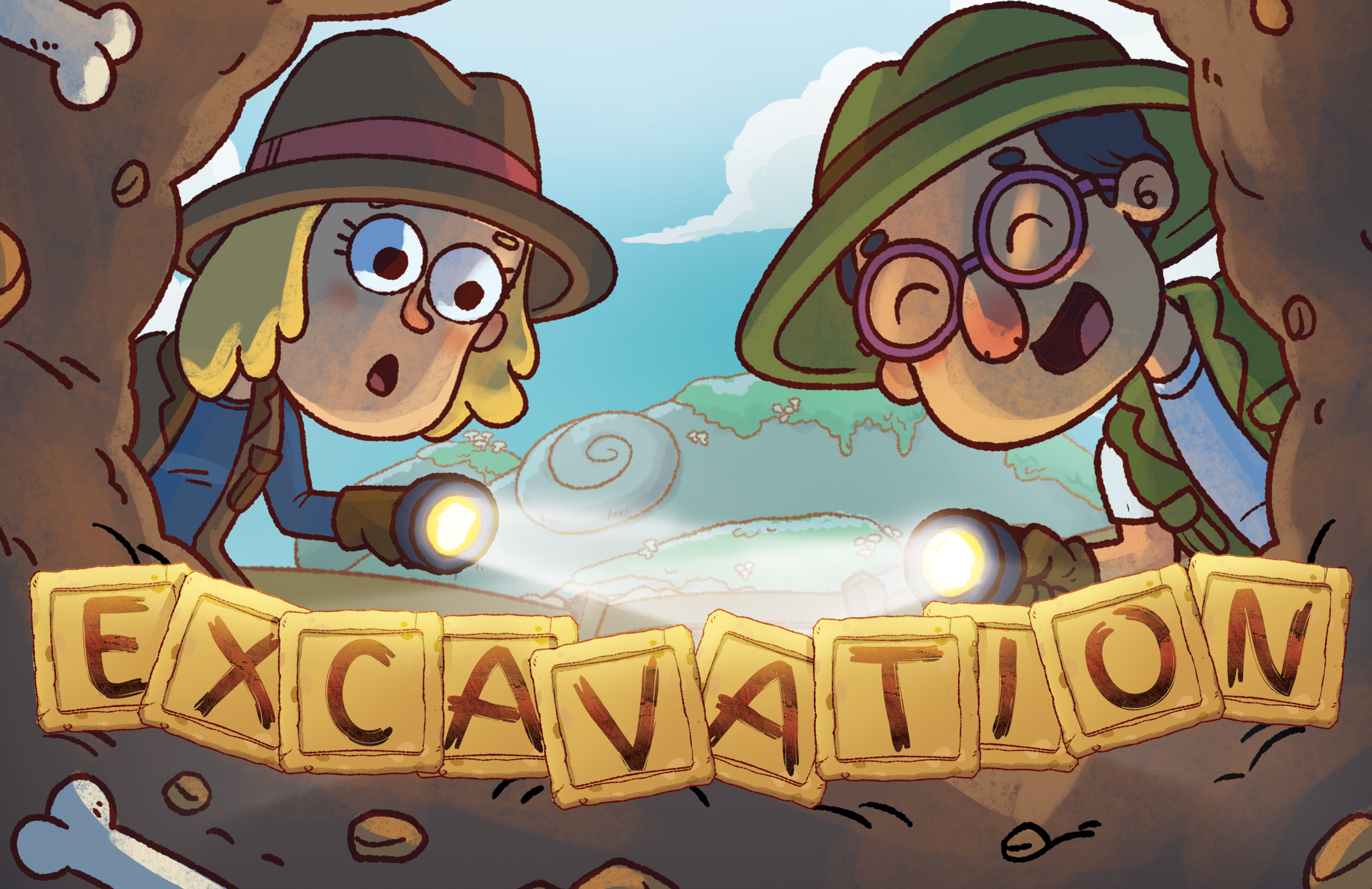
We’re excited to be part of this year’s Youth Day festivities, where we’ll be showcasing one of our games in a public playtest. You’ll find us at one of the tabletop game booths on Level 5 with “Excavation.” See you there!
——
So… what else is happening at Youth Day 2026 at Scape?
Level 1: Neo-Normal
Level 2: New Third Space
Level 3: Singapore’s Living Room
Level 4: Beyond The Surface
Level 5: Ideas fest
Kindle 🕯️
the Youth Day Production. (trust us, it’s gonna be lit. literally 🔥) tickets at kindle.youthday.sg, secure yours now 😉
There is TOO MUCH do at Youth Day’26 🤭 it’s not too good to be true, we’re really just a group of young people who want to bring people together, and give you the time and space to dwell, to connect, and to play. so why not join us this weekend? 🤷
5 & 6 July • *SCAPE • rsvp at youthday.sg
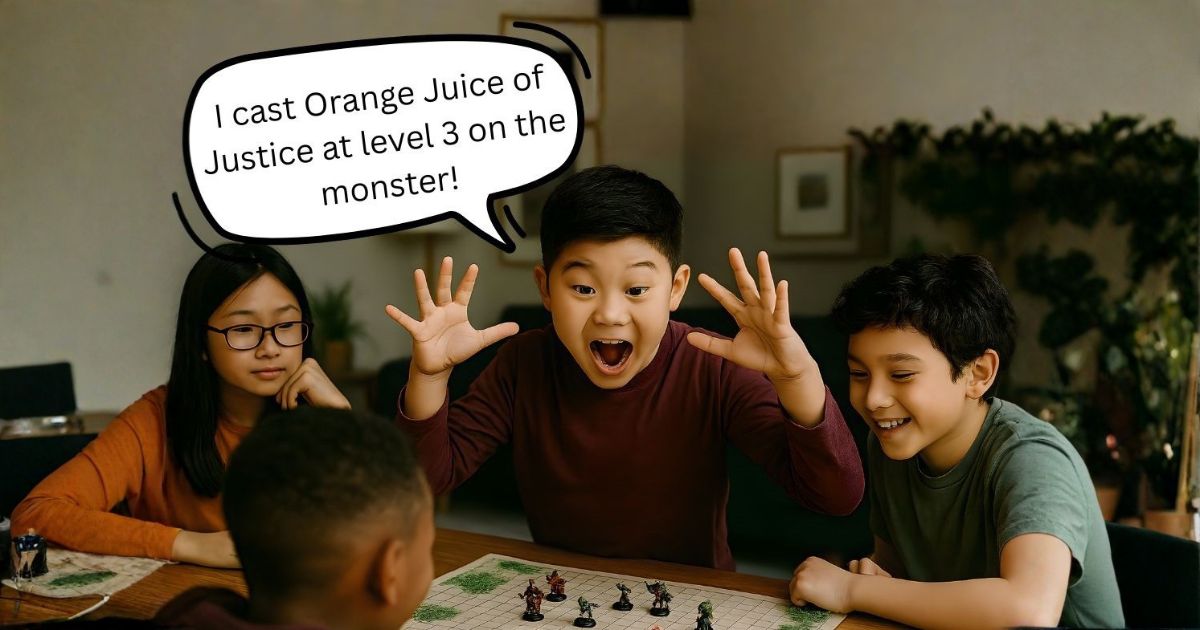
In the heart of a dungeon, a 10-year-old wizard raises her wand and declares, “I cast Blazing Bubblegum Barrage!” Her spell doesn’t exist in any rulebook—but in the world of tabletop roleplaying games (RPGs), imagination reigns supreme. And with that imagination comes a surprising side effect: a growing vocabulary.
RPGs like Dungeons & Dragons (D&D) aren’t just about slaying monsters or collecting treasure. They’re collaborative storytelling engines that invite kids to describe, narrate, and invent. Whether they’re conjuring spells, negotiating with goblins, or exploring enchanted forests, children are constantly reaching for new words to bring their ideas to life.
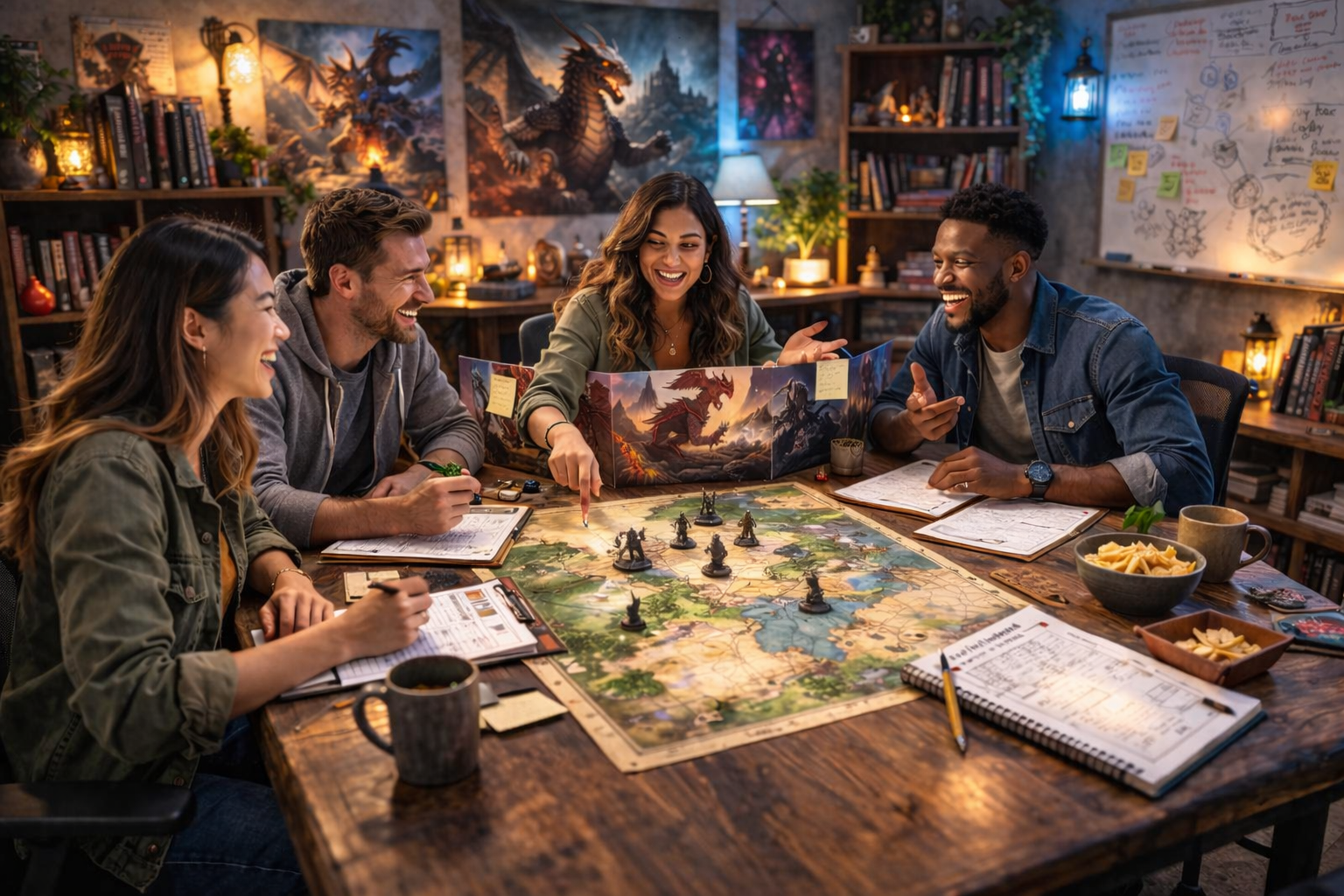
There’s a particular kind of magic that happens when a group gathers around a table, character sheets in hand, dice ready to roll. A map lies open. A Dungeon Master smiles knowingly behind a screen. And in that moment, the ordinary world fades—replaced by dragons, daring rescues, moral dilemmas, and impossible choices.
But tabletop role-playing games (TTRPGs) are more than fantasy escapism.
They are training grounds for sharper minds, stronger bonds, and unforgettable shared memories.
In a role-playing game, no one succeeds alone.
A warrior may be brave, but reckless without the strategist. A wizard may be brilliant, but vulnerable without protection. A rogue may be clever, but dependent on distraction to strike at the right moment. Every character has strengths—and weaknesses.
The same is true of the players.
TTRPGs naturally push groups to assess problems collaboratively. Faced with a locked gate, a suspicious noble, or an ambush in the forest, the table becomes a think tank. Players analyze risks, debate tactics, weigh consequences, and build plans that account for each member’s capabilities.
Over time, something powerful happens: players begin to recognize each other’s real-world strengths.
“Let her handle the negotiation.”
“He’s good at spotting loopholes.”
“Give him the map—he thinks spatially.”
Problem-solving becomes less about individual brilliance and more about collective intelligence.
Unlike most games, role-playing adventures create stories that belong entirely to the group. The narration, the actions, the consequences—they are shaped in real time by the players’ choices.
When the party chooses mercy instead of vengeance, that decision lingers.
When a character sacrifices themselves to save the group, the moment becomes legendary.
When a plan collapses spectacularly, the laughter echoes for years.
These moments become core memories.
They’re retold at dinners. Referenced in inside jokes. Remembered not just as gameplay, but as shared experience. In a world of disposable entertainment, TTRPGs create stories that feel earned and deeply personal.
Role-playing games gently teach a powerful lesson: choices matter.
Actions have consequences. Plans can fail. Trust can be broken—or strengthened. Because the stakes feel real within the narrative, players experience emotional investment in outcomes. They learn to think ahead, consider long-term impact, and reflect on their decisions.
It’s safe failure with meaningful lessons.
A misjudged alliance in a fantasy kingdom might spark discussion about trust and discernment. A poorly coordinated battle highlights the need for communication. A moral dilemma opens space to explore values.
Growth happens organically, wrapped in adventure.
Perhaps the most overlooked gift of tabletop role-playing games is what they reveal about the people at the table.
Who steps up under pressure?
Who prefers careful planning?
Who takes creative risks?
Who mediates conflict?
Through collaborative storytelling, personalities shine. Players learn how their friends think, react, lead, support, and empathize. The game becomes a mirror—sometimes revealing strengths the person didn’t even know they had.
In families, this can be transformative. In friendships, it deepens trust. In classrooms or teams, it builds understanding.
We often think that stronger minds are built in classrooms, through textbooks and tests. But they are also forged in moments of shared challenge—where ideas are tested, perspectives are broadened, and collaboration is essential.
Tabletop role-playing games offer exactly that.
They sharpen problem-solving skills.
They strengthen teamwork.
They create lasting memories.
They reveal character.
So gather your party. Set the scene. Roll the dice.
Because sometimes the greatest adventures don’t just change the story—they strengthen the minds telling it. 🎲✨
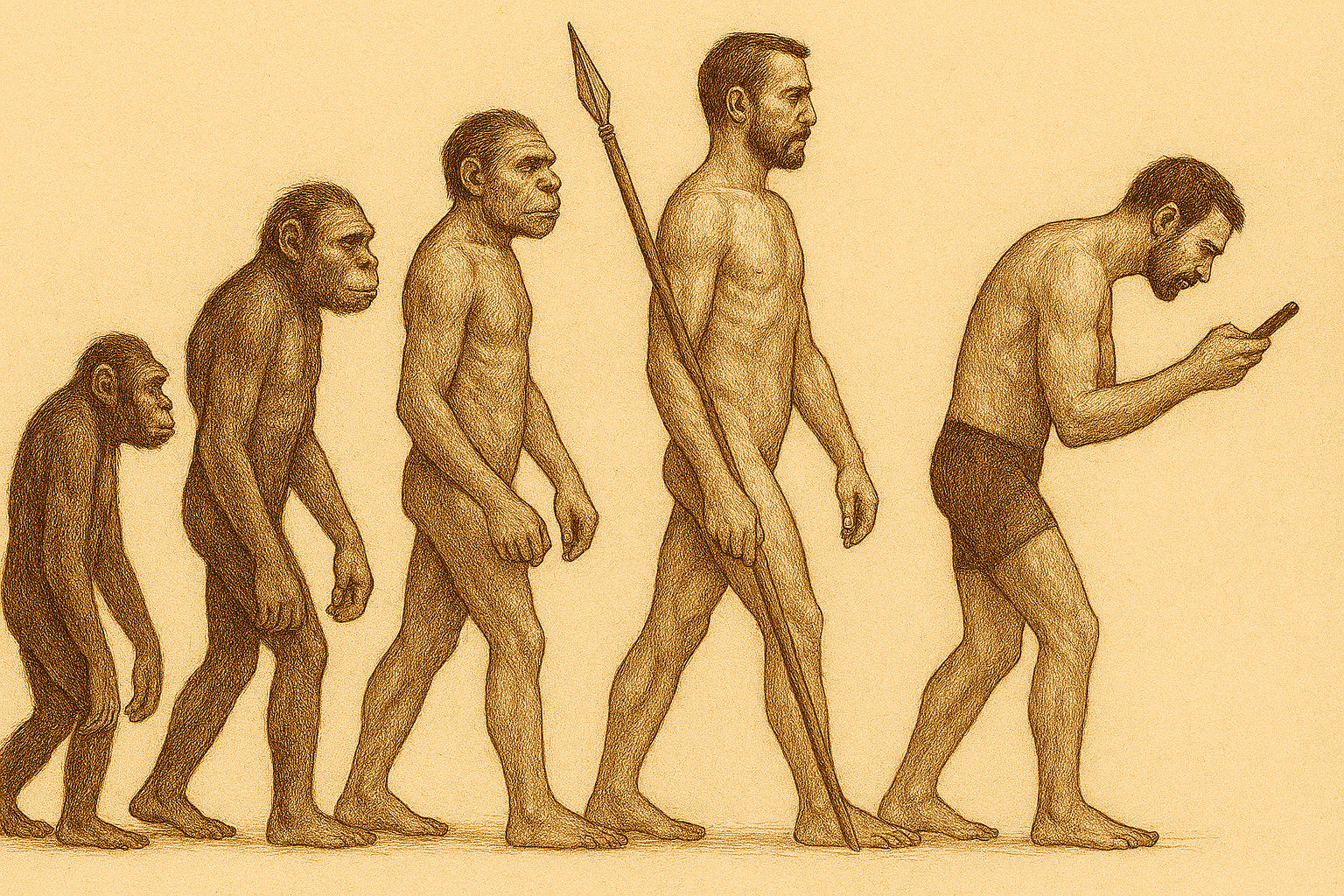
According to new studies, Gen Z might be the first generation in recent history to have a lower average IQ score than Millennials and Gen X.
It’s suggested by researchers that the dependency on AI tools, shift in attention spans, and smart devices may be to blame.
Changes include a measurable reduction in critical thinking, memory ability, attention spans as mentioned, and more. 
https://www.facebook.com/share/p/18BWL16kp6/
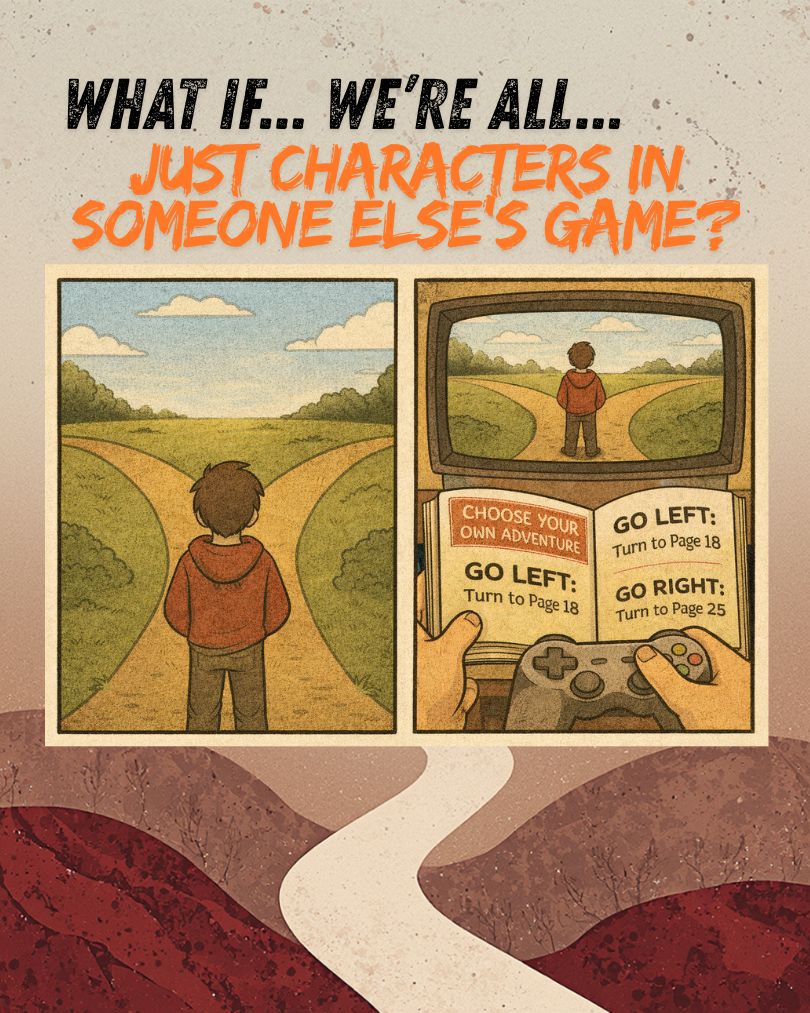
And for good reason.
At its core, tabletop gaming is about connection. When phones are put away and the board comes out, something subtle but powerful happens: people look at each other again. Conversations flow. Laughter replaces notifications. Win or lose, everyone shares the same space and the same moment.
For families, this is priceless. Board games create neutral ground where parents, children, and even grandparents meet as equals. No lectures. No pressure. Just shared experiences. Over time, these moments become rituals—Friday night games, weekend campaigns, or quick rounds after dinner—that quietly strengthen family bonds.
Tabletop games are surprisingly good for mental health. They provide structured play, which helps calm anxious minds. Clear rules and goals create a sense of control in a world that often feels chaotic. Even cooperative games—where players win or lose together—encourage empathy, communication, and emotional regulation.
For many, games offer a safe way to fail. A bad roll or poor decision isn’t a catastrophe; it’s a lesson. You reset. You try again. That mindset—resilience without shame—is a powerful thing to practice regularly.
Board games are learning in disguise. Strategy games sharpen critical thinking. Role-playing games build creativity, storytelling, and confidence. Party games improve social skills and communication. Even younger players learn patience, turn-taking, and sportsmanship—skills that don’t always come naturally but grow steadily at the table.
And perhaps most importantly, games remind us that growth doesn’t have to feel like work. Personal development can be fun.
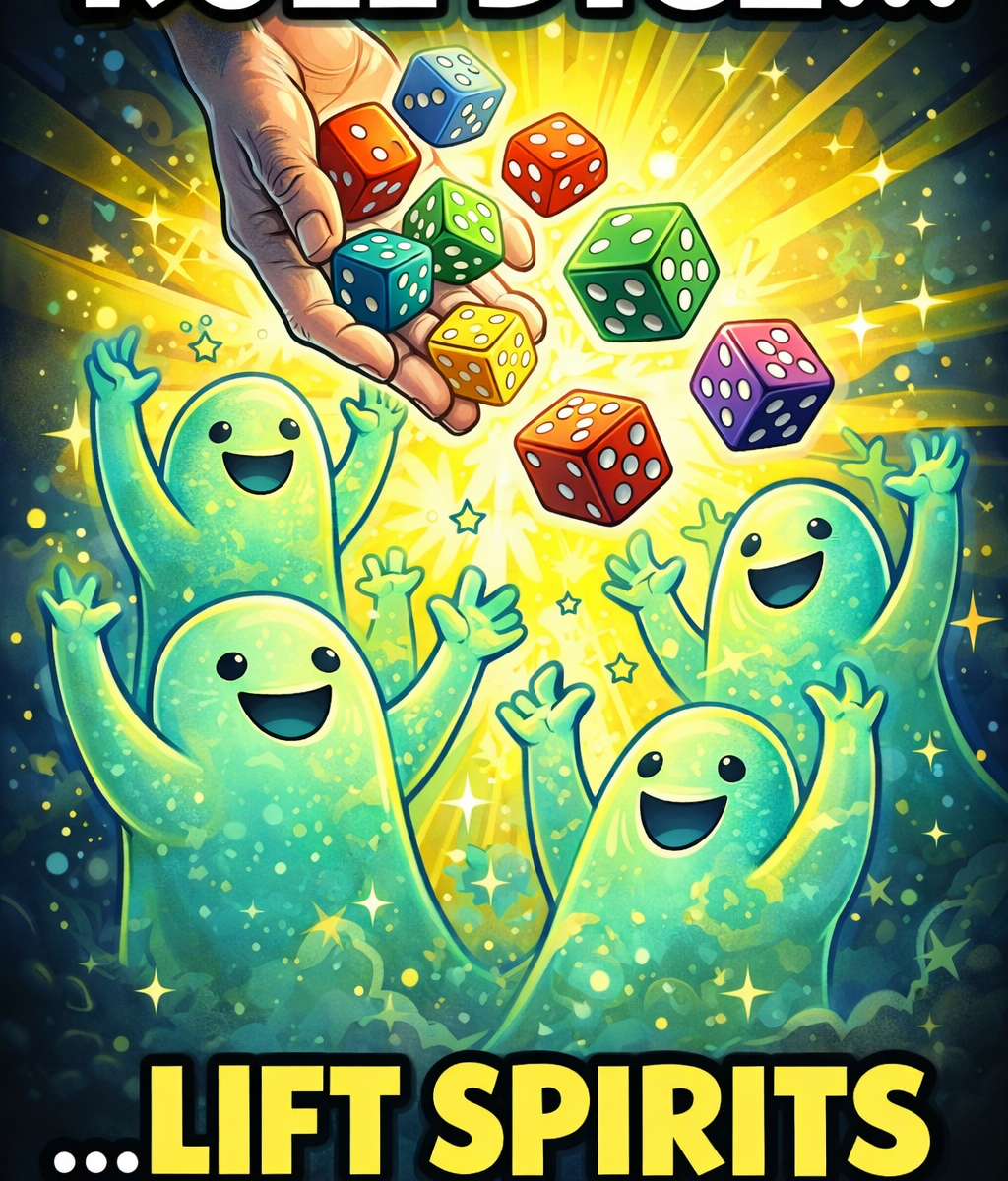
When we roll dice, we aren’t just playing—we’re investing in relationships, mental well-being, and ourselves. We’re choosing presence over distraction. Connection over isolation. Play over pressure.
So the next time life feels heavy, consider this simple act: gather a few people, set up a board, and roll the dice.
You might just lift your spirits along the way. 🎲
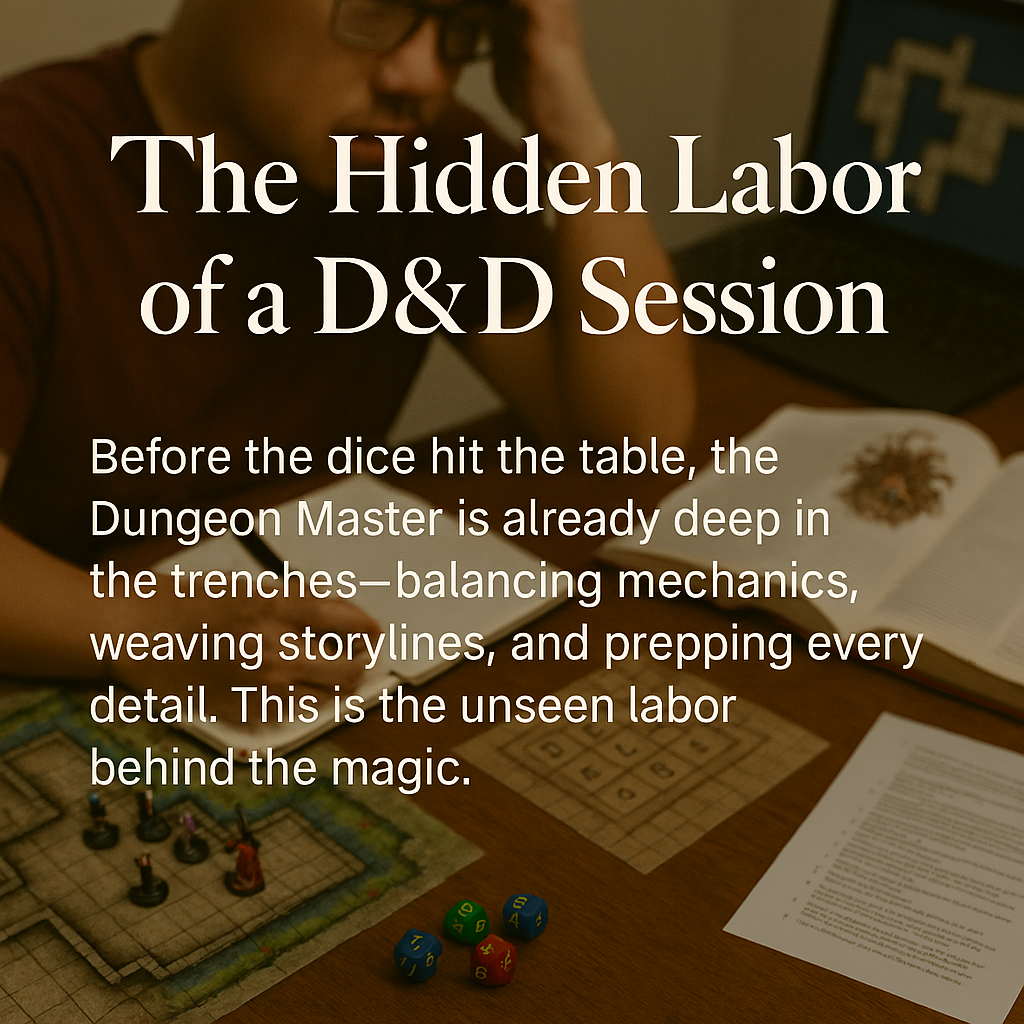
Before the dice hit the table, the Dungeon Master is already deep in the trenches. Long before players arrive with their character sheets and snacks, the DM has spent hours—sometimes days—preparing an experience that feels seamless, immersive, and fun. It’s easy to forget that what looks like spontaneous storytelling is actually the result of meticulous planning, balancing mechanics, and weaving narrative threads into something meaningful.
Yes, AI tools have made some parts of this process easier. They can suggest monsters, generate maps, or spit out riddles. But they can’t understand your party’s dynamics, their emotional arcs, or the subtle callbacks that make a campaign feel personal. The DM still has to do the heavy lifting—curating, adapting, and refining every element to fit the group’s unique story. That’s not just prep. That’s creative labor.
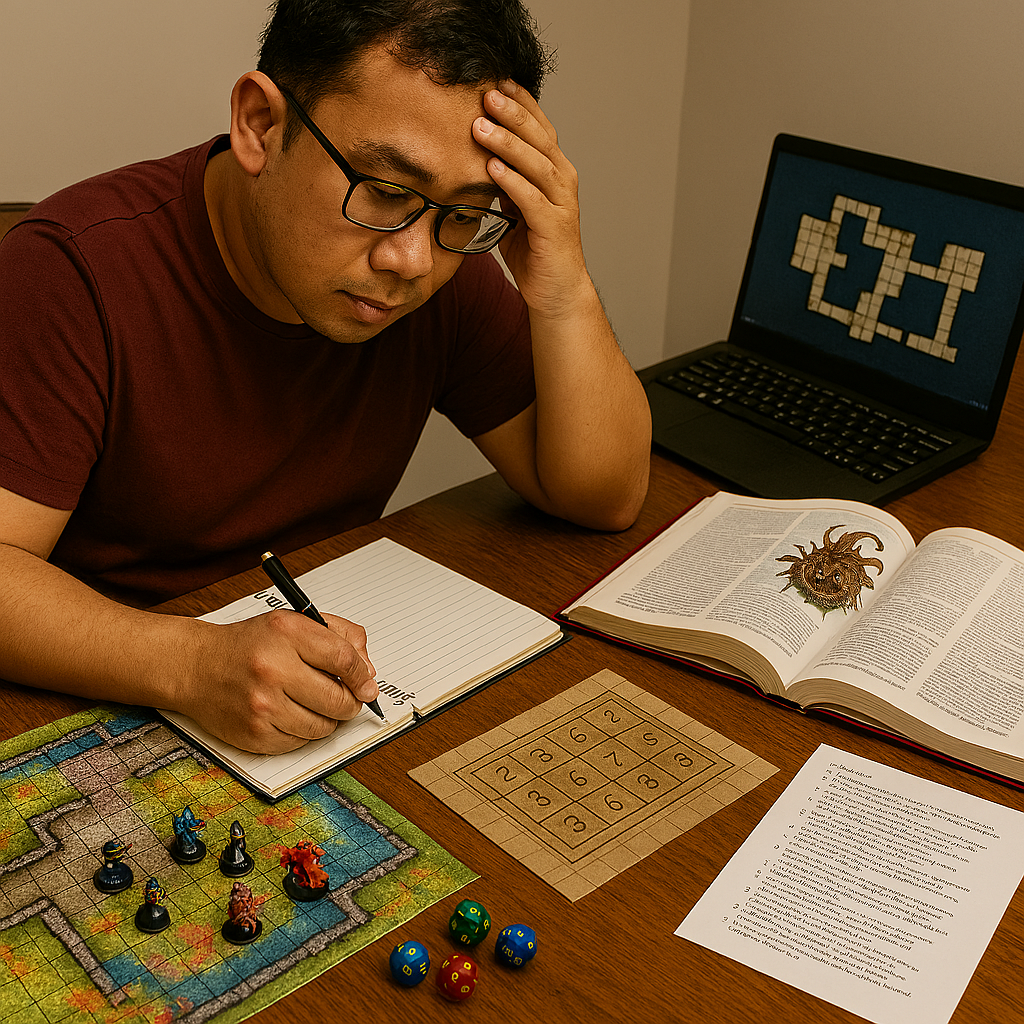
Running a session isn’t just about throwing monsters at players and watching the dice roll. It’s about crafting an adventure that’s challenging but fair, exciting but coherent. The DM must ensure that every encounter is appropriate for the party’s level and abilities. They have to anticipate how spells, feats, and personalities will interact—and adjust accordingly. AI can offer templates, but only the DM knows what will actually work at their table.
Then there’s the story. Even the most beautifully generated dungeon is useless if it doesn’t fit the campaign’s arc. The DM has to stitch new content into existing plotlines, maintain continuity, and make sure character motivations still make sense. It’s not just about worldbuilding—it’s about emotional investment.
And let’s not forget the visual prep. Whether it’s printing maps, painting minis, or setting up digital assets, these tasks take time. They’re often done late at night, after work, in between life’s other responsibilities. Even puzzles and riddles—those delightful moments of player ingenuity—require careful crafting to match the party’s style and avoid derailing the session.
Players show up to play. DMs show up having already worked. That’s the truth. And while most players are grateful, it’s easy to underestimate just how much effort goes into making a session run smoothly. A player’s prep might take minutes. A DM’s prep takes hours. That gap deserves recognition.
Players can support their DMs in ways that are simple, meaningful, and already widely practiced across real gaming tables. Many groups chip in a small amount each session—sometimes just the cost of a coffee or a meal—to acknowledge the DM’s prep time and the materials they purchase. Others rotate responsibilities, with players taking turns bringing snacks, hosting at their homes, or helping set up terrain and maps before the game starts. Some players gift their DM something thoughtful, like a new set of dice, a miniature of the DM’s favourite monster, or a book from their wishlist—gestures that countless DMs online say made them feel genuinely appreciated. In some long-running campaigns, players have even pooled funds to buy their DM a premium VTT subscription or a hardcover rulebook as a thank-you for months of effort. These aren’t grand gestures; they’re acts of recognition that say, “We see the work you put in, and we value it.”
Keep the hobby alive, lift each other up, and may everyone have good rolls ahead. 🎲✨
#WhyNotWednesday